If you own or care for a period property in London, you know how important it is to preserve its unique charm. Choosing the right materials for repairs and maintenance can make all the difference.
That’s where lead guttering comes in. It’s not just a traditional choice; it’s the best way to keep your property looking real and safe from damage. You’ll see why lead guttering is unique and how it helps keep your home’s character for years.
Keep reading to find out how this timeless solution meets your needs perfectly.
Benefits Of Lead Guttering
Lead guttering is a traditional choice for many period properties in London. It fits well with old buildings and keeps them looking original. Lead is strong and lasts a long time, making it a smart choice for gutters. Using lead guttering helps protect homes from water damage. It also keeps the classic look that many owners want to keep. The benefits of lead guttering make it a top option for older houses.
Durability And Longevity
Lead guttering is very strong and lasts for many years without needing replacement. It can stay in good shape for over 100 years if cared for properly. This makes it a cost-effective option for period properties.
Some key points about lead guttering’s durability:
- Resists cracking and breaking even in cold weather.
- Does not rust like some metal gutters.
- Easy to repair with simple tools and skills.
- Can be reshaped if damaged without replacing the whole gutter.
Compared to other materials, lead guttering often needs less maintenance. This saves money and effort over time. Its ability to last so long makes it a reliable choice for old buildings.
Authentic Period Aesthetic
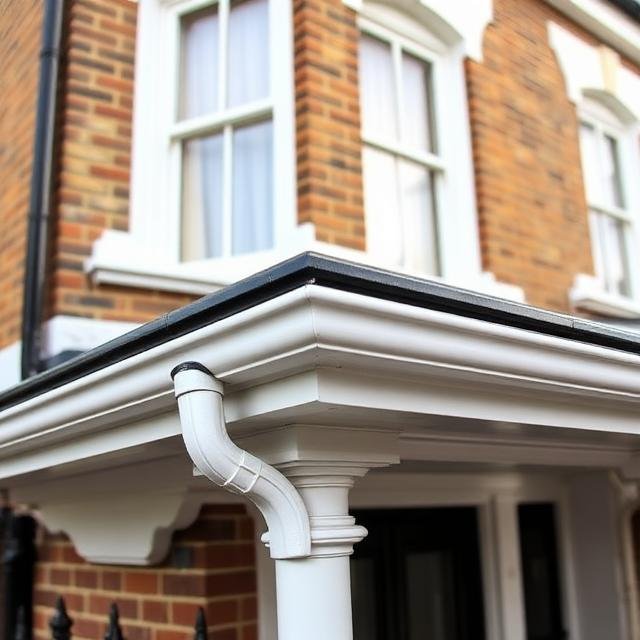
Lead guttering gives period properties a true historic look. It matches the style used when many old London houses were built. This helps keep the home’s original charm and character.
Benefits of lead guttering for appearance include:
- Natural grey color that blends with old stone and brickwork.
- Soft, smooth finish that looks elegant and neat.
- Can be shaped into traditional profiles and sizes.
- Complements period architecture like sash windows and tiled roofs.
Lead guttering helps protect the value of period homes. It keeps the style authentic while providing modern function. Many conservation areas in London prefer lead gutters to maintain the area’s historic look.
Weather Resistance In London
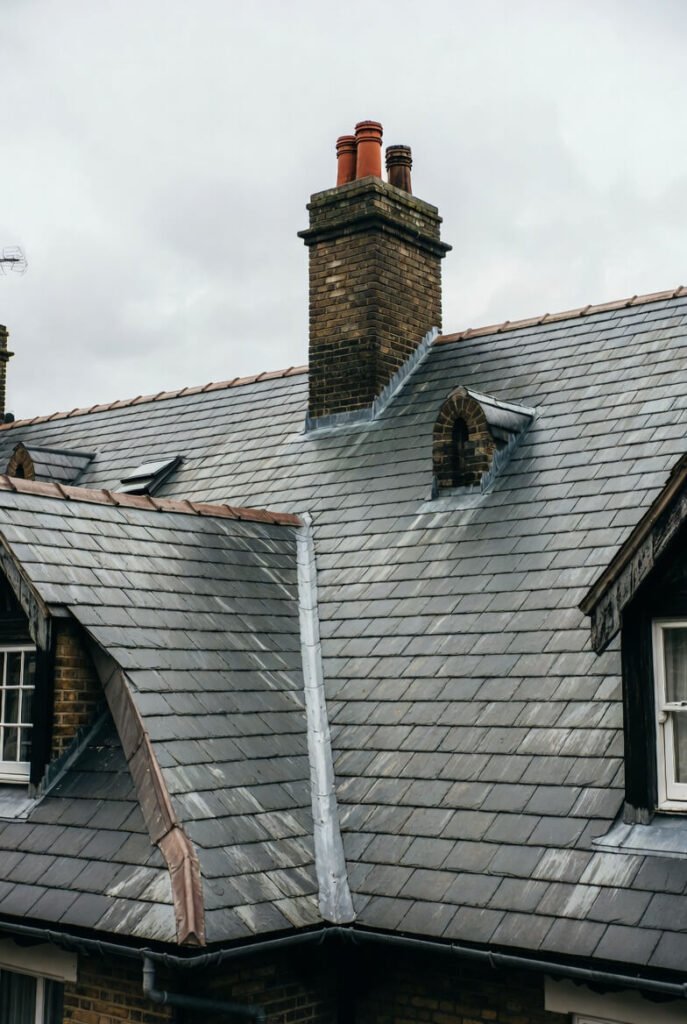
London’s weather can be tough on guttering. Rain, wind, and frost happen often. Lead guttering stands up well to these challenges.
How lead guttering handles London weather:
| Weather Condition | Lead Guttering Benefit |
| Heavy Rain | Strong and watertight, prevents leaks and water damage. |
| Cold Winters | Does not crack or become brittle in freezing temperatures. |
| Wind | Heavy weight keeps gutters secure and stable during storms. |
| Pollution | Resistant to corrosion caused by city air and pollution. |
Lead guttering handles London’s weather better than many other materials. This helps keep period homes safe from water damage year-round.
Comparison With Modern Materials
Lead guttering has been a trusted choice for many period properties in London. It blends well with traditional designs and lasts a long time. Compared to modern materials, lead offers unique benefits. It is both strong and flexible, which is important for old buildings. These buildings need materials that can fit their style and structure without damage. Lead guttering also resists weather well, which helps protect homes during rainy seasons. Understanding how lead compares with other materials helps homeowners make smart choices.
Metal Alternatives
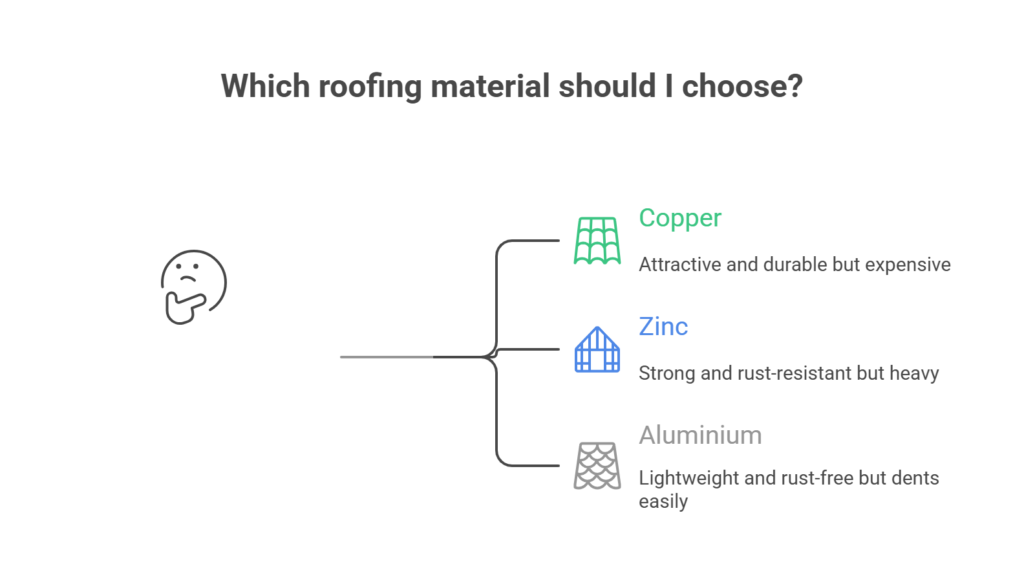
Other metals are often used instead of lead for guttering. Common choices include copper, zinc, and aluminium. Each has its own strengths and weaknesses.
- Copper looks attractive and lasts many years. It develops a green patina that some people like. But copper is quite expensive.
- Zinc is strong and resistant to rust. It works well with many roof types. Zinc is heavier and harder to install than lead.
- Aluminium is light and easy to fit. It does not rust, but can dent easily. It may not match old house styles well.
Lead has a key advantage: it bends easily without breaking. This helps fit gutters to uneven surfaces on old homes. Other metals may crack or need extra joints, which can leak.
Plastic Guttering Limitations
Plastic gutters are common on modern homes. They are light and cheap but have clear limits for older buildings. Plastic does not last as long as metal. It can crack in cold weather or warp in heat. This means repairs happen more often.
Old houses often have uneven walls and roofs. Plastic guttering is rigid and does not fit well on such surfaces. This can cause leaks or poor water flow. The look of plastic gutters is also a problem. They usually look plain and do not suit period homes.
- Short lifespan: Plastic lasts about 10-20 years.
- Weather issues: Can crack or warp easily.
- Appearance: Often looks cheap and modern.
- Fitting problems: Hard to install on uneven surfaces.
Because of these issues, plastic guttering may not protect older homes properly. Lead remains a better match for historic buildings.
Cost Considerations
Cost is important when choosing guttering. Lead gutters cost more at first than plastic or aluminium. But lead lasts much longer, often over 100 years. This means fewer replacements and repairs over time.
Other metals like copper also cost more than lead. Plastic is cheapest but needs replacing more often. Choosing lead can save money in the long run. It also keeps the home’s value higher by preserving its character.
| Material | Initial Cost | Average Lifespan | Maintenance Cost | Long-Term Value |
| Lead | High | 100+ years | Low | High |
| Copper | Very High | 80+ years | Low | High |
| Plastic | Low | 10-20 years | High | Low |
| Aluminium | Moderate | 20-40 years | Moderate | Moderate |
Investing in lead guttering supports the preservation of period homes. It offers good value despite a higher start cost. This makes it a smart choice for London’s historic properties.
Installation On Period Properties
Lead guttering has been a popular choice for period properties in London. It is strong, long-lasting, and fits well with old buildings. Installing lead guttering on historic homes preserves their charm and prevents water damage. Lead can be shaped to fit original designs, so it’s great for keeping the look of period houses. This type of guttering fits nicely with the building style. It lasts for years and needs little repair.
Traditional Techniques
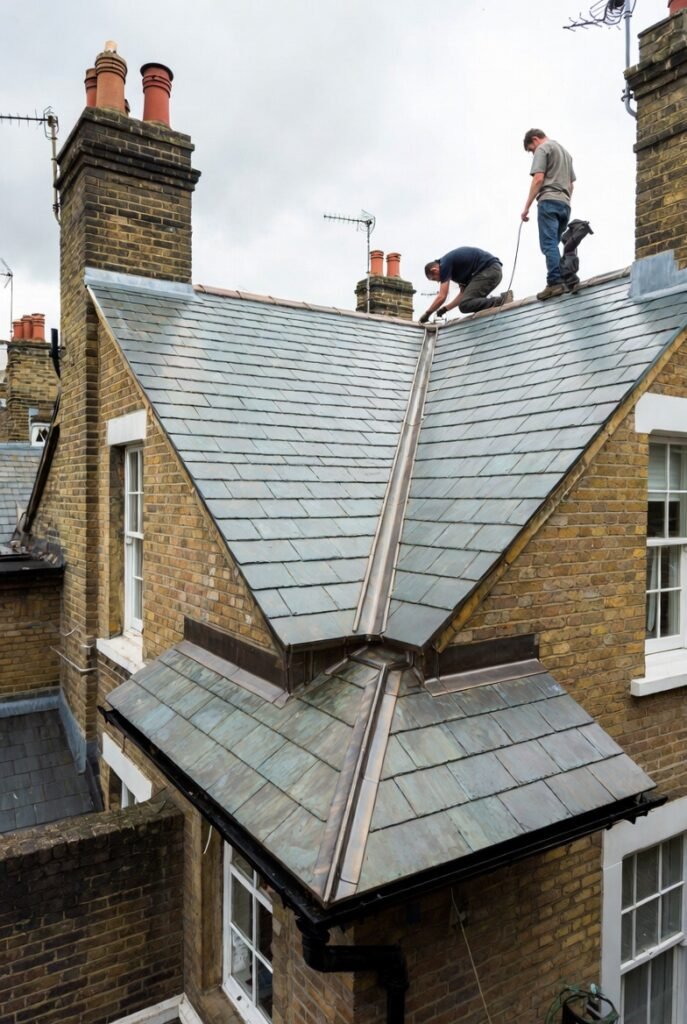
Lead guttering uses methods that have been around for centuries. These traditional techniques ensure the gutters fit perfectly on older buildings. Craftsmen cut and shape the lead by hand, creating smooth joints and curves. The work requires patience and skill to make sure water flows away properly and does not leak. Here are some key points about the traditional methods:
- Hand-cut sheets: Lead sheets are cut to size using special tools.
- Welding joints: Lead pieces are joined by soldering or welding for strength.
- Shaping by hand: Lead is bent and shaped to match the building’s style.
- Sealing: Joints are sealed to prevent leaks and water damage.
These techniques take time but result in durable and attractive guttering. The careful work respects the building’s history and keeps it looking authentic.
Skilled Craftsmanship
Installing lead guttering on period properties demands high skill. Craftsmen must understand old building styles and know how to work with lead. The process involves:
- Measuring accurately: Every piece must fit the building’s shape exactly.
- Custom shaping: Lead is formed to follow roof lines and details.
- Joining securely: Pieces are joined to avoid leaks and last for decades.
- Attention to detail: Small touches keep the guttering looking traditional.
Expertise in these areas makes sure the guttering does its job well. Skilled workers help protect old homes from rain damage without changing their look. This craftsmanship keeps the building’s character strong and its structure safe.
Preservation Of Architectural Integrity
Lead guttering helps keep the original style of period properties. It fits the old designs better than plastic or modern materials. Using lead means the building looks as it did many years ago. This preservation is important for:
- Maintaining historical value: The building stays true to its past.
- Protecting original features: Gutters do not hide or damage decorations.
- Blending with materials: Lead matches old stone, brick, and wood well.
- Longevity: Lead lasts longer, reducing need for changes.
Choosing lead guttering supports the care of heritage buildings. It keeps their beauty and story alive for future generations. The gutters act as part of the building’s history, not just a practical addition.
Maintenance And Repair
Lead guttering suits period properties in London very well. It has a classic look that matches old buildings. Lead is strong and lasts a long time. This makes it a smart choice for homes built many years ago. Proper care is key to keeping lead guttering working well. Maintenance and repair help prevent damage and keep water flowing smoothly. This guide covers common problems, how to care for lead guttering, and when to replace it.
Common Issues And Solutions
Lead guttering can face a few common problems over time. These issues often happen because of weather and age. Knowing these problems helps catch them early and fix them fast.
- Corrosion: Lead can slowly corrode, especially near joints. This weakens the gutter.
- Cracks and Holes: Small cracks or holes may appear from movement or impact.
- Blockages: Leaves and debris can block water flow and cause overflow.
- Loose Joints: Joints can come apart, causing leaks.
Simple fixes can stop these problems from growing worse:
| Issue | Solution |
| Corrosion | Clean the area and apply a protective coating. |
| Cracks and Holes | Use lead patching or solder to seal the damage. |
| Blockages | Remove debris regularly and install gutter guards. |
| Loose Joints | Re-secure joints with solder or fixings. |
Longevity Through Proper Care
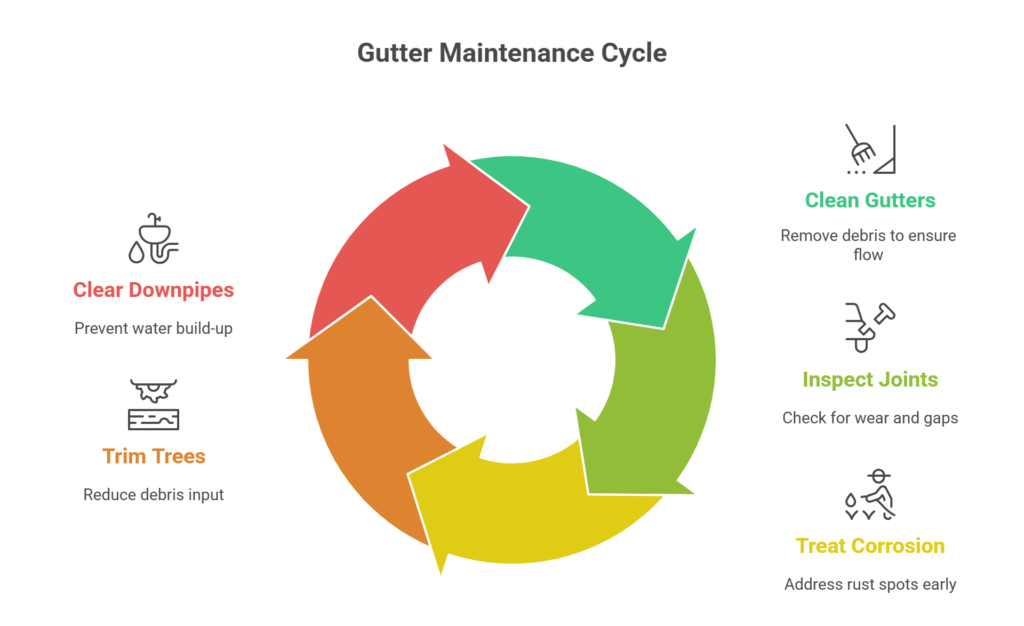
Lead guttering can last many decades if cared for well. Regular checks and cleaning keep it in top shape. These simple steps help:
- Clean gutters twice a year to remove dirt and leaves.
- Inspect joints and seams for signs of wear or gaps.
- Check for corrosion spots and treat them early.
- Keep nearby trees trimmed to reduce debris.
- Ensure downpipes are clear to avoid water build-up.
Using the right tools and materials during repairs is important. Lead solder and special sealants work best. Avoid harsh chemicals that can damage the metal. Covering gutters during work can protect them from dirt and damage.
Good care does more than fix problems. It also keeps your home safe from water damage. Well-maintained gutters direct water away from walls and foundations. This helps avoid costly repairs later.
When To Replace Lead Guttering
Lead guttering rarely needs full replacement early on. It is very durable. But some signs show it is time to change the gutters:
- Widespread corrosion that weakens the metal.
- Large cracks or holes that cannot be repaired well.
- Repeated leaks despite repairs.
- Gutters pulling away from the building structure.
- Water damage to walls or foundation from gutter failure.
Replacing lead gutters keeps your property protected and looking correct. Choosing skilled professionals for this work ensures the new gutters fit well and last long. New lead gutters can maintain the historic charm of your home while providing reliable water management.
Environmental Impact
Lead guttering has been used on period properties in London for centuries. It fits the style and look of old buildings very well. Lead does more than just look good; it also has a big environmental impact. This impact helps keep buildings green. Lead is a natural material that lasts a very long time. This makes it a great choice for protecting historic homes while caring for the planet.
Sustainability Of Lead
Lead is a natural metal found in the earth. It does not need much processing, which saves energy. Using lead guttering means fewer new materials are needed. This helps lower the carbon footprint of building projects.
Key points about lead’s sustainability include:
- Long lifespan: Lead lasts over 100 years without major repairs.
- Low maintenance: Little upkeep reduces resource use.
- Natural material: Does not release harmful chemicals when used properly.
- Energy saving: Requires less energy to extract and shape than some metals.
Because lead guttering stays strong for many years, it avoids frequent replacement. This makes it a very sustainable option for old homes in London.
Recyclability Benefits
Lead is 100% recyclable without losing quality. This means old lead gutters can be melted down and made into new ones easily.
Benefits of recycling lead include:
- Reduces mining: Less need to dig up new lead ore.
- Energy efficient: Recycling uses much less energy than producing new lead.
- Less pollution: Fewer emissions from recycling than from mining and refining.
- Supports circular economy: Keeps materials in use for longer.
Lead recycling is common in London and helps lower waste. Old lead gutters are valuable for reuse, making it an eco-friendly choice.
Reduced Waste Compared To Alternatives
Lead guttering creates less waste than many other materials. It can be shaped to fit exact sizes, reducing offcuts. Other materials like plastic or aluminium often produce more scrap.
| Material | Typical Waste Generated | Recyclability | Durability |
| Lead | Low waste due to easy shaping | 100% recyclable | Very durable (100+ years) |
| Plastic | Moderate waste; offcuts common | Limited recycling options | Less durable (20-30 years) |
| Aluminium | Moderate waste from cutting | Good recyclability | Durable (40-60 years) |
Choosing lead guttering helps lower waste and supports long-term use. This reduces the need for frequent replacements and less trash ends up in landfills.
Regulations And Permissions
Lead guttering is a traditional choice for period properties in London. It offers strong protection and matches the historic look well. Old buildings need materials that last and fit their style. Lead guttering is easy to shape and repair. It keeps water away from walls, stopping damage. Many London homes built long ago still have lead gutters. Choosing lead helps keep the house’s original charm. Regulations and permissions are important to follow when installing lead gutters. These rules protect the building’s history and the area’s appearance.
Planning Permissions In London
Planning permission is often needed for changes to period properties in London. This is because these buildings have special historic value. The local council checks if the work fits the area’s character.
Key points about planning permissions:
- Permission is required if the guttering affects the building’s outside look.
- Lead guttering usually gets approval because it suits old buildings.
- Applying early saves time and avoids fines.
- Provide clear plans and details when applying.
Some minor repairs might not need permission. But replacing old gutters with new lead ones often does. Councils want to keep the building’s style consistent. Good planning helps keep the property’s value and beauty.
Heritage And Conservation Guidelines
London has many rules to protect historic buildings. These guidelines help keep the original look and materials. Using lead guttering follows these rules well.
Important heritage points:
- Use materials that match the original ones.
- Lead is traditional and fits well with old homes.
- Work must not harm the building’s structure.
- Repairs should keep the original style.
Conservation officers check that work respects the building’s history. They may suggest specific methods or materials. Lead guttering is often preferred because it is durable and looks right. Following these guidelines helps protect the property for future generations.
Working With Local Authorities
Local authorities oversee building work in historic areas. They ensure rules are followed and protect heritage sites. Working closely with them makes the process smoother.
Steps to take with local authorities:
- Contact the council early to discuss plans.
- Submit all required documents and drawings.
- Ask for advice on the best materials and techniques.
- Attend meetings or site visits if asked.
- Follow any conditions they set in approvals.
Clear communication helps avoid delays or problems. Local authorities value work that respects history and keeps buildings safe. Lead guttering projects that meet their standards usually get full support.
Reach out to our team for support or inquiries about Why Lead Guttering Is the Best Choice for Period Properties in London
Lead guttering is one of the best choices for London’s period homes. It protects older buildings without taking away their charm. Lead lasts for years, handles rain really well, and blends in perfectly with traditional architecture. Modern materials just don’t look the same. If you want to keep your home’s original style, lead guttering is a great option.
It also helps maintain the value of your property by preserving that classic, heritage look. Simple, strong, and timeless—exactly what period homes need.
And if you want it done properly, Denco Liquid Waterproofing is always ready to help.
Give us a call today for expert lead guttering installation or repairs.
All You Need to Know
Why Is Lead Guttering Ideal For Period Properties?
Lead guttering matches the historic look and materials of period homes. It offers durability and weather resistance, preserving architectural integrity. Its flexibility allows for custom shapes, fitting unique designs typical in London’s heritage buildings.
How Does Lead Guttering Protect Period Homes?
Lead guttering effectively channels rainwater away, preventing damp and structural damage. Its robust nature resists corrosion and harsh weather, ensuring long-lasting protection. This reduces maintenance needs and helps maintain the property’s value.
Is Lead Guttering Cost-effective For Historic Buildings?
While lead guttering has a higher upfront cost, its longevity and low maintenance make it cost-effective. It minimises frequent repairs and replacements common with other materials, saving money over time. It also enhances the property’s authenticity, potentially increasing its market value.
Can Lead Guttering Be Custom-made For London Properties?
Yes, lead guttering is highly malleable and can be tailored to fit unique architectural features. This customisation maintains the period property’s original style and ensures seamless integration with existing structures. It’s ideal for preserving London’s historic aesthetics.