
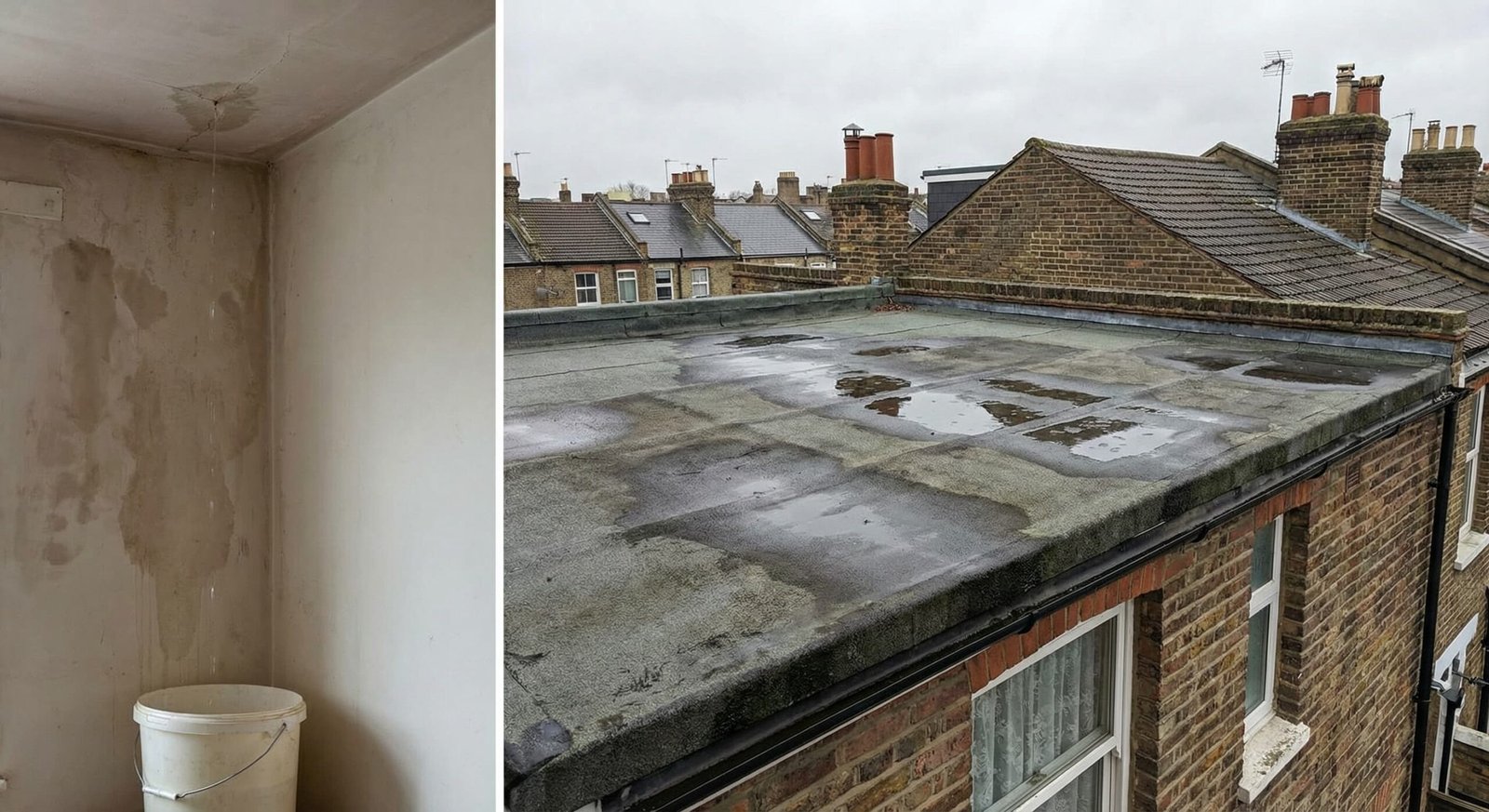
Is your felt flat roof leaking after the heavy rain in London? If so, you’re not alone—and it can be frustrating to see water damage where you least expect it.
You might be wondering why your roof, designed to protect your home, is suddenly letting in water. Several common issues might cause the leaks. Catching them early can save you time, money, and stress. Keep reading to learn why your felt roof is leaking. Find out what you can do now to protect your home.
Common Causes Of Felt Roof Leaks
Heavy rain in London can uncover problems with felt flat roofs. These issues may lead to leaks, disrupting homes and businesses. Knowing the common causes of felt roof leaks helps you spot issues fast. This way, you can prevent more damage. Felt roofs need proper care and maintenance to withstand frequent wet weather. Below are key reasons why leaks occur after heavy rain.
Damaged Felt Material
The felt material on flat roofs can suffer damage over time, leading to leaks. Felt is a bitumen-based membrane that protects the roof surface, but it can tear, crack, or blister. These defects create openings where water seeps through.
- Tears and punctures: Sharp objects, falling debris, or foot traffic may cause physical damage.
- Blistering: Trapped moisture under the felt heats up and forms bubbles, weakening the material.
- Cracking: Felt becomes brittle with age or extreme temperature changes and breaks apart.
Signs of damaged felt include:
| Symptom | Cause | Effect |
| Visible tears or holes | Physical impact or wear | Water penetration and leaks |
| Blisters or bubbles | Moisture trapped under felt | Weakened felt, potential ruptures |
| Cracks along seams | Ageing and weather stress | Water entry points |
Repairing damaged felt quickly stops leaks and protects the roof structure.
Poor Installation Issues
Incorrect installation is a common cause of felt roof leaks. A felt roof must be applied with precision to ensure a watertight seal. Mistakes during installation create weak spots where water can enter.
Common installation errors include:
- Improper overlapping: Felt sheets must overlap correctly. Gaps or insufficient overlap allow water through.
- Poor sealing of joints: Weak or missing sealant at seams causes leaks.
- Incorrect adhesive use: Using the wrong glue or uneven application leads to loose felt sections.
- Inadequate surface preparation: Dirt, moisture, or uneven surfaces prevent proper bonding.
Here is a quick checklist for quality felt roof installation:
- Clean, dry, and smooth roof surface
- Correct felt sheet alignment with sufficient overlap
- Consistent application of suitable adhesive or bitumen
- Proper sealing of all seams and edges
Installation mistakes cause leaks soon after heavy rain. Professional installers follow these steps to avoid problems.
Blocked Drainage Systems
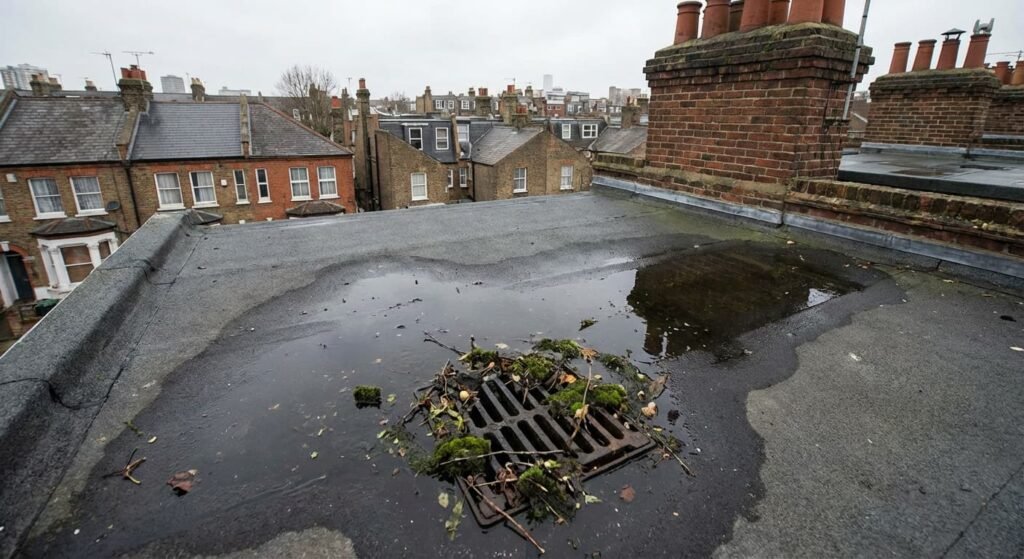
Flat roofs rely on drainage systems to remove rainwater quickly. Blocked gutters, downpipes, or outlets cause water to pool on the roof. Standing water increases pressure on the felt, finding weak spots to leak through.
Causes of blocked drainage include:
- Leaves, twigs, and dirt clogging gutters and drains
- Debris buildup in rainwater outlets
- Broken or misaligned downpipes
- Inadequate roof slope preventing proper flow
Pooling water damages felt roofs by:
- Increasing moisture exposure
- Softening the felt base
- Accelerating material breakdown
- Allowing water to seep through cracks or seams
Regular cleaning of drainage systems prevents blockages. Inspect gutters and outlets after storms to ensure water flows away freely.
Wear And Tear From Weather
London’s weather subjects felt flat roofs to constant stress. Repeated cycles of rain, sun, frost, and wind cause gradual deterioration. This natural wear and tear weakens the felt, making leaks more likely.
Key weather-related effects on felt roofs:
- UV damage: Sunlight breaks down bitumen, causing brittleness.
- Freeze-thaw cycles: Water freezes and expands in cracks, enlarging them.
- Wind uplift: Strong winds can lift or loosen felt edges.
- Heavy rainfall: Constant wetting accelerates material decay.
Scheduled roof inspections and maintenance reduce damage from weather, keeping felt roofs leak-free.
Impact Of London’s Climate
London’s climate plays a big role in the condition of felt flat roofs. The city deals with varied weather. It experiences heavy rain, shifting temperatures, and high humidity. These elements put stress on roofing materials. Felt flat roofs, common in London homes, can develop leaks after bad weather. Understanding the climate’s impact helps explain why leaks occur and how to prevent them.
Heavy Rainfall Effects
London often experiences heavy rain, especially in autumn and winter. This rain can last for hours or days, causing water to pool on flat roofs. Felt roofs are designed to be waterproof, but constant water exposure increases the risk of damage.
- Water pooling: Flat roofs may not drain well, leading to standing water.
- Seam damage: Heavy rain can weaken roof seams and joints.
- Surface wear: The felt surface may erode over time from constant wetness.
Standing water increases pressure on the roof, pushing water through small cracks. These cracks can grow after repeated rain. Damage often starts in weak spots, such as around vents or skylights.
Regular checks after heavy rain help catch problems early. Clearing debris and fixing small cracks can prevent leaks.
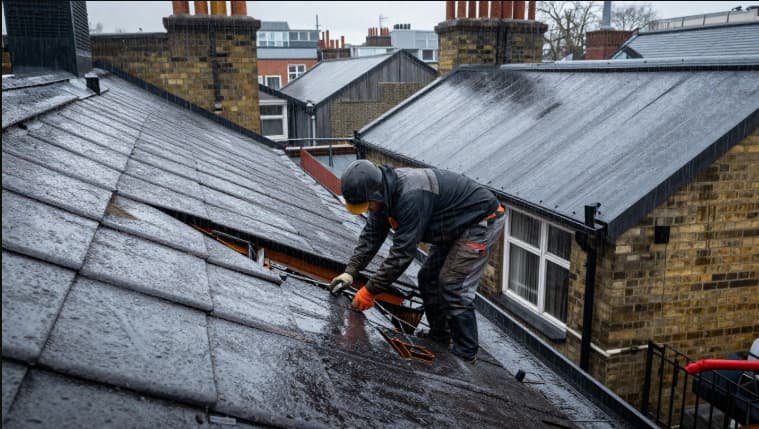
Temperature Fluctuations
London’s temperatures change often, from cold winters to warm summers. These shifts affect felt flat roofs. Felt expands in heat and contracts in cold. This movement can cause small cracks and splits in the material.
Repeated cycles of expansion and contraction weaken the roof. Over time, this damage can let water seep inside. Temperature changes also impact roof adhesives and sealants, making them less effective.
- Cold weather: Felt becomes brittle and can crack.
- Warm weather: Felt softens and stretches.
- Freeze-thaw cycles: Water in cracks freezes and expands, widening gaps.
Temperature swings cause stress on roofing materials. Felt roofs in London must endure these cycles year-round. Roof owners should inspect felt after winter and summer seasons.
| Temperature Effect | Impact on Felt Roof |
| Cold temperatures | Material becomes rigid and cracks |
| Heat exposure | Felt softens and loses shape |
| Freeze-thaw cycles | Cracks widen, increasing leak risk |
Humidity And Moisture Build-up
London’s air is often humid, especially near rivers and during rainy months. High humidity causes moisture to build up under the roof surface. Felt roofs can trap this moisture, creating damp conditions inside.
Moisture build-up weakens the felt and the roof structure below. Over time, trapped moisture causes mould and rot. These problems make the roof less waterproof and more prone to leaks.
- Condensation: Moist air cools on the felt surface, forming water droplets.
- Trapped moisture: Felt can hold water if not properly ventilated.
- Structural damage: Wood and insulation under felt can rot from dampness.
Good roof ventilation reduces moisture build-up. Using breathable membranes under the felt also helps. Regular roof maintenance should check for signs of damp and mould.
Identifying Leak Sources
Heavy rain in London can cause felt flat roofs to leak, creating damage inside homes. Identifying the exact source of leaks is the first step to fixing the problem. Felt roofs are made from layers of bitumen and felt fabric. Over time, wear and tear or poor installation can lead to water seeping through. Finding where water enters helps prevent further damage and costly repairs.
Inspecting Roof Surface
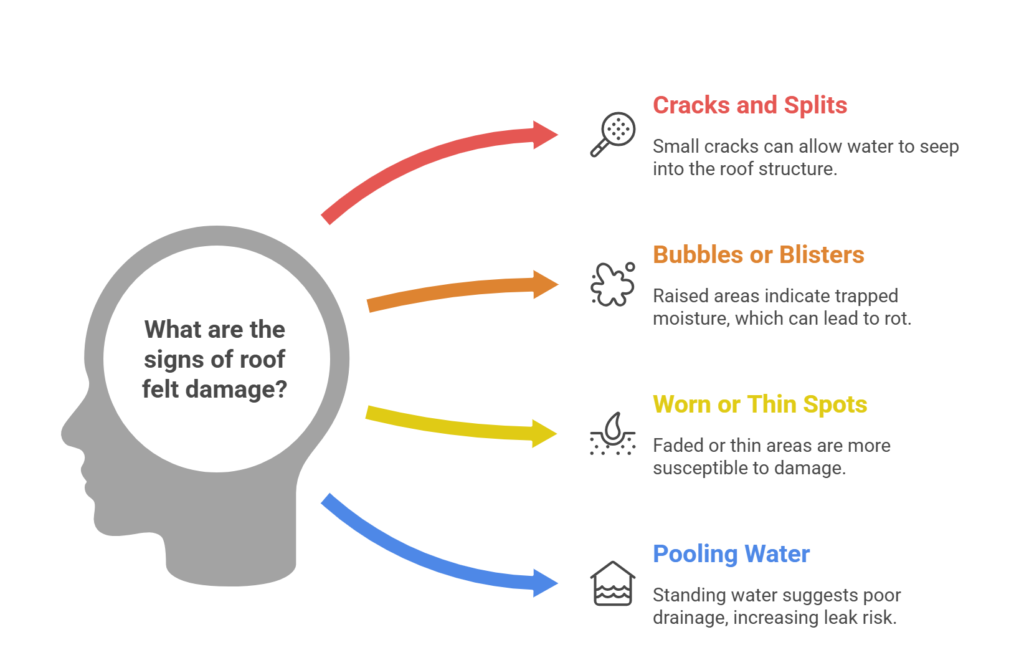
Start by carefully checking the entire roof surface for any visible damage. Look for:
- Cracks and splits: Small cracks in the felt can let water in.
- Bubbles or blisters: Raised areas may mean trapped moisture under the felt.
- Worn or thin spots: Areas where the felt looks faded or thin are more vulnerable.
- Pooling water: Standing water after rain shows poor drainage and increases leak risk.
Use a ladder safely to get a close look. During inspection:
- Note any dark patches or soft spots on the surface.
- Check for debris like leaves or moss that trap moisture.
- Look for signs of previous repairs that may have failed.
| Common Roof Surface Issues | How They Cause Leaks |
| Cracks | Water seeps through openings. |
| Bubbles | Moisture trapped under layers weakens roof. |
| Thin Felt | Less protection from rain. |
| Pooled Water | Increases pressure on felt surface. |
Regular roof checks after heavy rain help catch problems early.
Checking Seals And Joints
Seals and joints connect different parts of a felt roof. They must be tight to stop leaks. Check these areas carefully:
- Around roof vents: Vents often have seals that wear out.
- At roof edges: Joints between the roof and walls can crack.
- Where felt sheets overlap: Overlaps need to be secure to prevent gaps.
- Near chimneys or skylights: These need strong, waterproof seals.
Look for signs of seal failure such as:
- Peeling or cracked sealant
- Gaps or spaces between materials
- Water stains or damp patches inside
Proper joint maintenance includes:
- Reapplying bitumen or sealant where it is missing or cracked.
- Replacing old or damaged seal strips.
- Ensuring overlaps are glued firmly.
Weak seals are common leak points after heavy rain.
Examining Flashings And Edges
Flashings and edges protect the roof where it meets walls or other structures. They direct water away from vulnerable spots. Inspect these areas closely:
- Metal flashings: Check for rust, cracks, or loose nails.
- Edge trims: Should be firmly fixed and without gaps.
- Junctions between roof and walls: These must be sealed tightly.
Signs of flashing and edge damage include:
- Rust stains on walls or roof
- Loose or missing flashing pieces
- Water marks beneath edges
Maintenance tips for flashings and edges:
- Replace rusty or damaged metal parts promptly.
- Resecure loose flashings with nails or screws.
- Apply waterproof sealant along joints.
Damaged flashings let water enter at roof edges during heavy storms.
Preventive Measures For Felt Roofs
A flat felt roof can leak after heavy rain in London. This can happen due to several reasons: poor installation, wear and tear, or blocked drainage. Taking preventive measures helps protect the roof and stop leaks before they start. Keep your roof strong and dry with simple steps. This saves money on repairs and prevents damage inside your home.
Regular Maintenance Tips
Regular checks and care keep a felt flat roof in good shape. Inspect the roof every few months, especially after storms. Look for cracks, blisters, or loose edges where water can enter. Clean the roof surface from leaves, dirt, and debris that trap water.
- Check for splits or holes in the felt material.
- Remove moss and algae growth carefully to avoid damage.
- Clear gutters and downpipes to allow water flow.
- Trim nearby trees to reduce falling leaves and branches.
- Examine sealant around roof joints and vents.
Keep a simple maintenance log. Note dates and problems found. This helps track roof condition and plan repairs. Small problems fixed early stop bigger leaks later.
| Maintenance Task | Frequency | Purpose |
| Visual Roof Inspection | Every 3 months | Find cracks, blisters, or loose felt |
| Clear Debris | Monthly or after storms | Prevent water pooling and damage |
| Gutter Cleaning | Every 6 months | Ensure proper drainage |
| Sealant Check | Annually | Maintain waterproof joints |
Effective Drainage Solutions
Poor drainage causes water to sit on the felt roof, increasing leak risk. Water pooling weakens felt and creates holes. Good drainage directs rainwater away fast. Check gutters, downpipes, and roof slopes to keep water moving.
Install or maintain these features for better drainage:
- Gutters and downpipes: Clear blockages and repair leaks.
- Roof slope: Ensure at least 1-2 degrees of slope for water runoff.
- Scuppers: Openings on the roof edge to release water.
- Roof drains: Fit drains connected to pipes to remove water from flat roofs.
Regularly test drainage by running water and watching flow. Fix slow spots or backups immediately. Using leaf guards on gutters helps keep debris out. Position downpipes away from foundations to avoid damp problems.
Quality Materials And Repairs
Use good materials for felt roofs to avoid leaks. Low-quality felt wears faster and cracks under rain and cold. Choose felt with strong waterproof membranes and UV protection. Proper adhesives and sealants also matter.
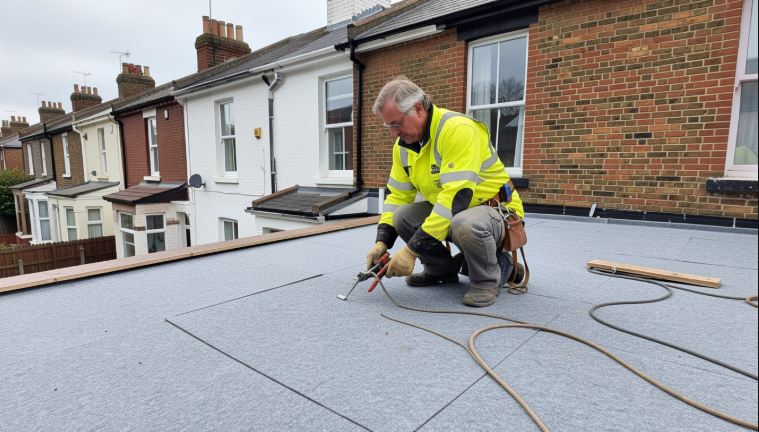
Repair damage quickly with matching materials. Patch small holes or splits with felt patches and waterproof glue. Replace worn sections before damage spreads. Professional help ensures correct installation and repair.
- Buy felt rolls certified for weather resistance.
- Use bitumen or polymer-based adhesives for strong bonds.
- Apply sealants around edges and joints thoroughly.
- Inspect repairs after rain to confirm no leaks.
Replacing an old felt roof every 10-15 years is wise. Timely upgrades prevent leaks and costly water damage. Always consult experienced roofers for material choices and repairs to get long-lasting results.
When To Call A Professional
Heavy rain in London can reveal hidden problems with felt flat roofs. Sometimes, small leaks turn into bigger issues fast. Knowing when to call a professional saves time and money. Not every leak needs expert help, but some signs show serious damage. Acting quickly prevents costly repairs and keeps your home safe.
Signs Of Serious Damage
Not all leaks are the same. Some problems look small but hide bigger risks. Watch for these signs to spot serious damage:
- Water pooling: Large puddles on the roof after rain.
- Blistering or bubbling: Raised areas on the felt surface.
- Cracks or splits: Visible breaks in the felt material.
- Stains or damp patches: Inside walls or ceilings near the roof.
- Mould or mildew: Dark spots showing moisture inside the home.
- Loose or missing felt: Edges peeling away or torn sections.
These signs mean the roof’s protective layer is failing. Water can get inside and damage the structure below. Sometimes, leaks cause wood rot or weaken insulation. Quick repairs stop damage from spreading.
| Sign | What It Means | Why It’s Serious |
| Water Pooling | Poor drainage on the roof | Increases leak risk and roof wear |
| Blistering Felt | Trapped moisture or heat | Can cause felt to peel or crack |
| Cracks/Splits | Material damage from weather or age | Allows water to seep through |
| Interior Stains | Water has entered the building | Risk of structural damage and mould |
Finding any of these signs means a professional should inspect your roof soon. Do not delay repairs or risks rise.
Reach out to our team for support or inquiries about Why is My Felt Flat Roof Leaking After Heavy Rain in London?
A leaking felt flat roof after heavy rain can quickly cause damage inside your home. Small cracks or blocked gutters can let water in. If you leave it, the problem will only get worse.
Check your roof regularly and keep your gutters clean. Fixing small issues early can save you money and stress later.
If you see a leak, don’t wait. Contact Denco Liquid Waterproofing for fast and reliable repairs. We’ll help keep your home dry and protected.
All You Need to Know
Why Is My Felt Flat Roof Leaking After Rain?
Heavy rain can reveal weak spots in felt roofs. Common causes include cracks, poor sealing, and ponding water. These issues allow water to seep through, causing leaks and damage.
How Does London Weather Affect Felt Flat Roofs?
London’s frequent rain and humidity can degrade felt roofing materials. Moisture weakens seals and causes the felt to swell or crack, increasing leak risks over time.
Can Poor Installation Cause Felt Roof Leaks?
Yes, improper installation leads to gaps and weak seals. Incorrect layering or poor adhesive use allows water penetration, especially during heavy rainstorms.
How Can I Prevent Felt Roof Leaks After Rain?
Regular inspections and maintenance help spot issues early. Clear debris, repair cracks promptly, and ensure proper drainage to prevent water pooling and leaks.