
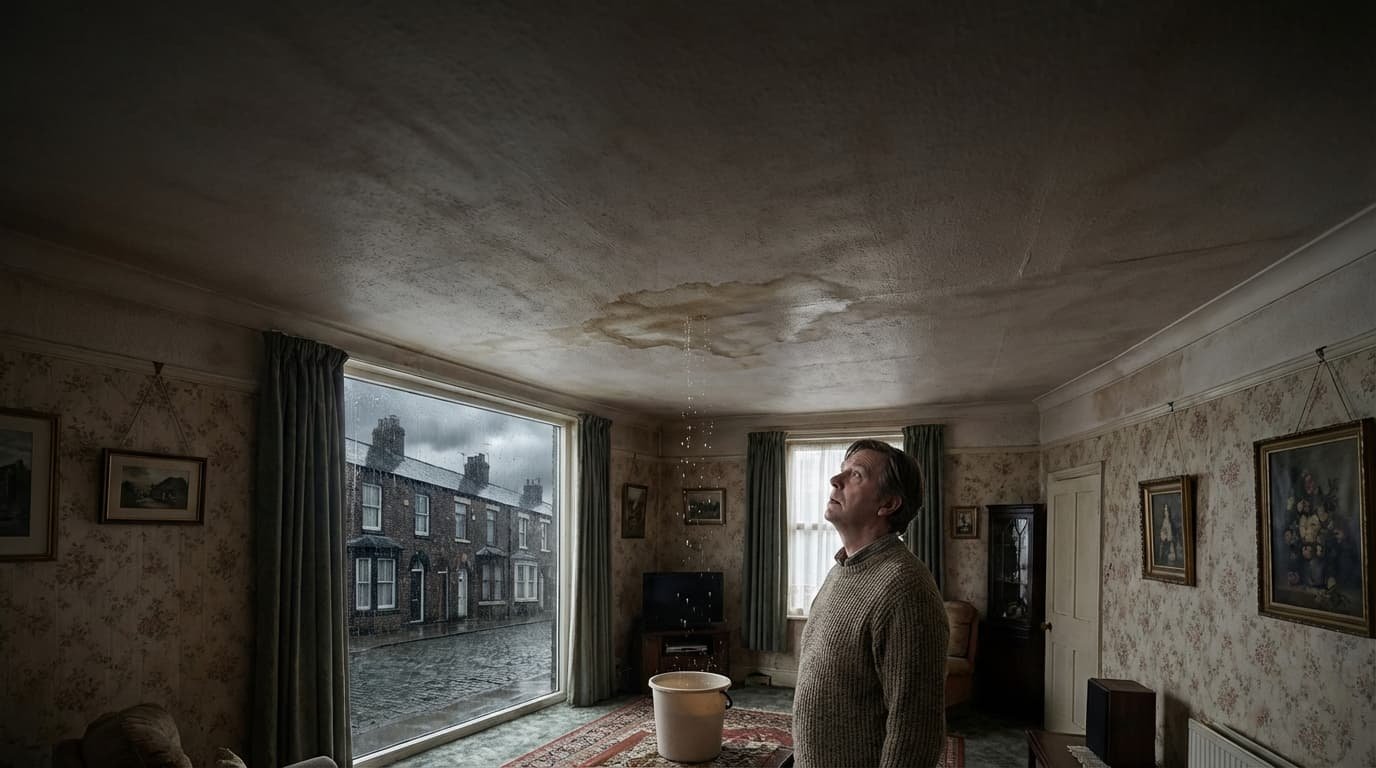
Is your roof leaking and causing you stress? You don’t have to rush into replacing it just yet.
Fixing a leaking roof without a full replacement is possible, even if you’re not a professional. Save time and money. Avoid major repairs. Keep your home safe and dry. You’ll discover simple, effective steps tailored for UK homes to stop those leaks fast.
Keep reading to protect your home and regain peace of mind today.
Common Roof Leak Causes
Roof leaks can cause serious damage to a home. Fixing leaks without replacing the entire roof saves money and time. Many roof leaks happen due to common problems that are easy to spot and fix. Knowing these problems helps protect your home from water damage. This guide covers common causes of roof leaks in the UK and how to repair them.
Damaged Shingles
Shingles protect the roof from rain, wind, and snow. Over time, shingles can crack, curl, or fall off. This damage lets water seep into the roof structure. Repairing damaged shingles quickly stops leaks and prevents bigger problems.
Signs of damaged shingles include:
- Missing shingles after a storm or strong wind
- Cracked or curled shingles that look old or worn out
- Granules in gutters which come off shingles
Fixing damaged shingles involves:
- Removing the broken shingle carefully
- Sliding a new shingle under the overlapping ones
- Nailing the new shingle in place and sealing edges
Replacing only the damaged shingles saves money. It also keeps the roof strong and dry.
Clogged Gutters
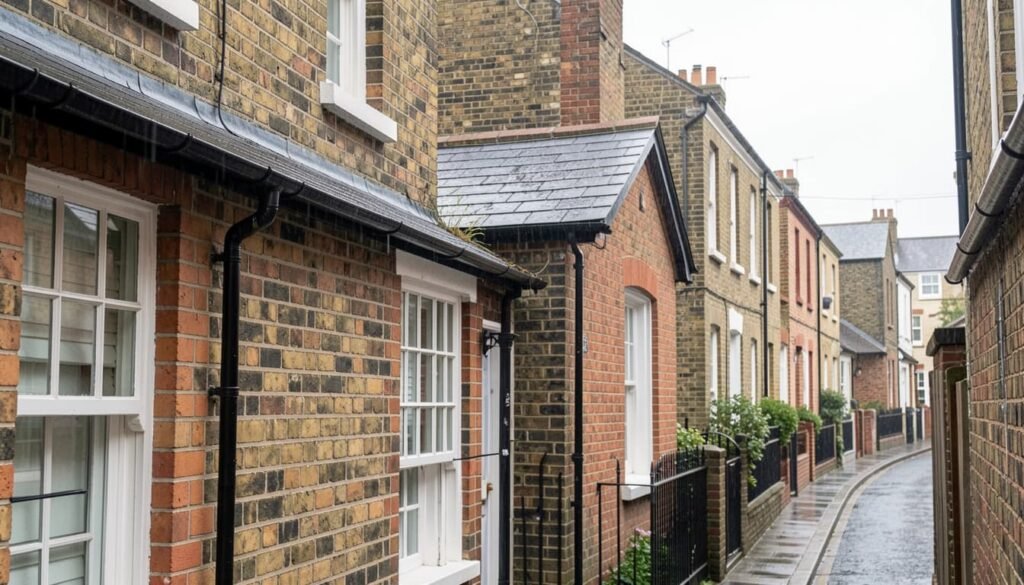
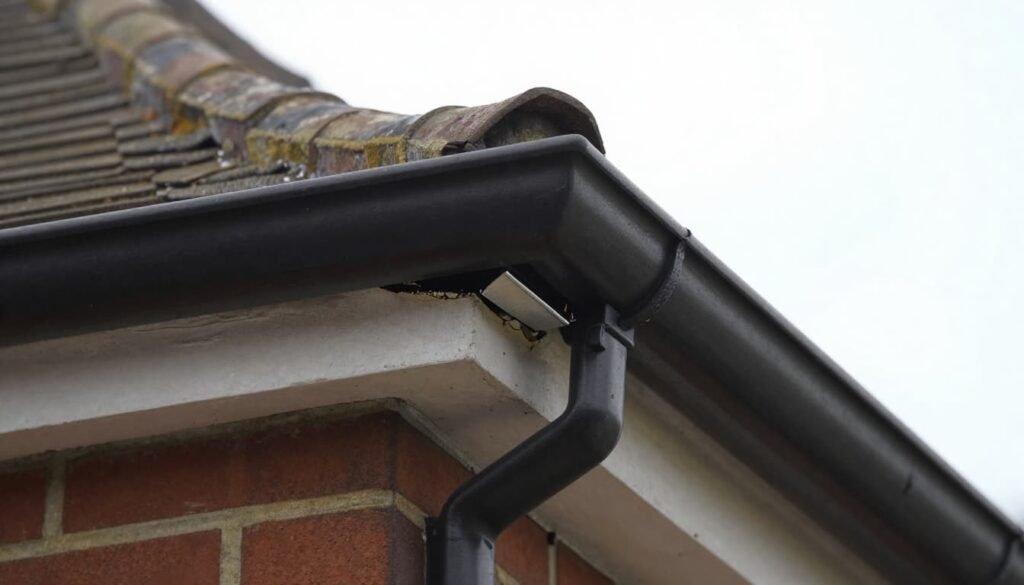
Gutters carry rainwater away from the roof and walls. When gutters are blocked, water spills over and soaks the roof edges. This causes leaks and damage to the home’s walls and foundation.
Common gutter clog problems:
- Leaves and twigs build up inside gutters
- Rainwater pools and overflows
- Ice dams form in cold weather, blocking water flow
Steps to fix clogged gutters:
- Remove all debris from gutters and downspouts
- Check for gutter damage or loose sections
- Install gutter guards to reduce future clogs
Cleaning gutters regularly prevents water from backing up. This simple step protects the roof and walls from leaks.
Flashing Issues
Flashing is metal installed around roof joints, chimneys, and vents. It stops water from entering at these vulnerable spots. Damaged or loose flashing causes leaks that can spread inside the home.
Common flashing problems:
- Cracks or gaps in the flashing
- Rust or corrosion on metal flashing
- Flashing pulled away from the roof or chimney
Repairing flashing includes:
- Cleaning the area to check for damage
- Sealing cracks or gaps with roofing cement
- Replacing rusted or badly damaged flashing
- Securing loose flashing with nails or screws
Good flashing repair stops water from entering the roof. It protects the home structure from serious damage.
Roof Vent Problems
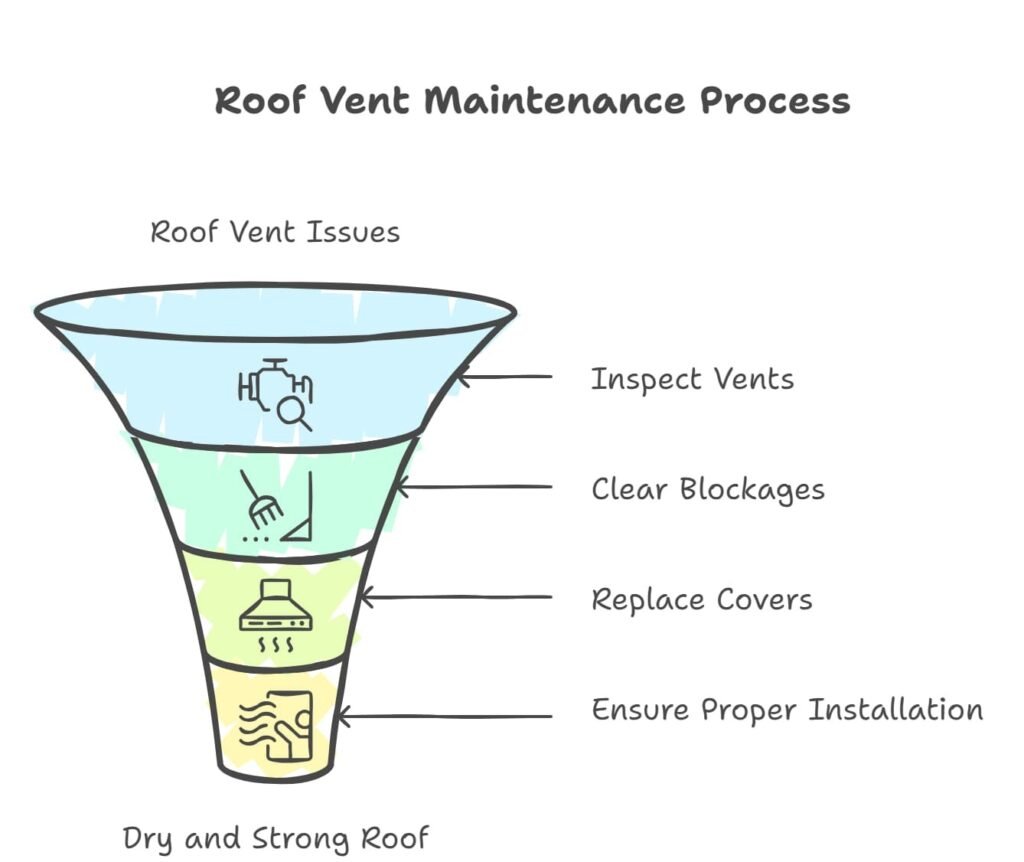
Roof vents allow air to flow in and out of the attic. Proper ventilation prevents moisture buildup and heat damage. Broken or blocked vents cause leaks and roof damage.
Signs of roof vent problems:
- Cracked or broken vent covers
- Blockages inside vents from debris or nests
- Water stains near vents inside the attic
Fixing roof vents involves:
- Removing debris or nests blocking vents
- Replacing damaged vent covers
- Checking for proper vent installation and sealing
Maintaining vents helps keep the roof dry and strong. This prevents leaks and increases roof life.
Tools And Materials Needed
A leaking roof can cause many problems in a home. Water damage, mould, and higher energy bills are common issues. Fixing a leak without replacing the whole roof saves time and money. To do this, having the right tools and materials is very important. These tools help make the repair strong and last longer. Understanding what you need before starting makes the job easier and safer.
Sealants And Adhesives
Sealants and adhesives are key to stopping roof leaks. They fill cracks and gaps where water enters. These products come in different types to suit various roofs and weather conditions.
Common types include:
- Silicone sealants: Waterproof and flexible, good for small cracks.
- Polyurethane adhesives: Strong and durable, ideal for larger repairs.
- Bitumen-based sealants: Often used on flat or felt roofs.
Choosing the right sealant depends on your roof type and the leak size. Always check the product label for weather resistance and drying time. Applying sealant correctly means cleaning the area first. Use a putty knife or brush for smooth application. Let the sealant dry fully before testing for leaks. This step ensures a tight seal and prevents water from coming back.
Roofing Tape And Patches
Roofing tape and patches provide quick fixes for damaged roof areas. They cover holes or worn spots and stop water from entering. These materials are easy to use and work well for small to medium leaks.
There are different types of roofing tape and patches:
| Type | Material | Best Use |
| Butyl Tape | Sticky, rubber-like | Sealing joints and cracks |
| Aluminium Tape | Metal-coated | Reflects heat, seals metal roofs |
| Fabric Patches | Fibreglass or polyester | Covering larger holes on felt roofs |
To use tape or patches well, clean the surface first. Cut the tape or patch to size, then press it firmly. Make sure there are no air bubbles or wrinkles. For extra protection, apply a sealant over the patch. This helps the repair last longer and stay waterproof.
Ladders And Safety Gear
Working on a roof can be dangerous. Using the right ladders and safety gear is very important. This keeps you safe while fixing leaks.
Essential safety items include:
- Sturdy ladder: Choose one tall enough to reach the roof safely.
- Non-slip shoes: Prevent slipping on wet or steep surfaces.
- Safety harness: Protects against falls, especially on steep roofs.
- Helmet and gloves: Protect head and hands from injuries.
Place the ladder on stable, flat ground. Secure it at the top to stop movement. Check all safety equipment before use. Never work on the roof alone; have someone nearby in case of trouble. Taking these precautions reduces the chance of accidents during repairs.
Cleaning Supplies
Cleaning the roof before repair is very important. Dirt, moss, and debris stop sealants and patches from sticking well. Using the right cleaning supplies helps the repair last longer.
Basic cleaning supplies include:
- Broom or brush: To remove loose leaves and dirt.
- Scraper: For moss and stubborn grime.
- Water hose or bucket: To rinse the roof surface.
- Detergent or moss remover: To clean and kill moss.
Start by sweeping loose debris off the roof. Use a scraper carefully to avoid damaging tiles or felt. Apply detergent or moss remover as per instructions and let it sit. Rinse thoroughly with water to remove all residues. Wait for the roof to dry completely before applying any repair materials. Clean surfaces help sealants and patches stick better and keep leaks away.
Inspecting The Roof
A leaking roof can cause many problems in a house. It lets water inside and can damage walls, ceilings, and furniture. Fixing a roof does not always mean replacing it. Many leaks can be stopped by simple repairs. The first step is to check the roof carefully. This helps find the exact place where water is coming in. Knowing where the leak is will save time and money. The following sections explain how to inspect the roof step-by-step.
Identifying Leak Locations
Finding the leak’s exact spot is very important. Water can travel under roof tiles or along beams before it shows inside. Check the roof outside on a dry day. Look for areas with:
- Missing or broken tiles
- Cracks or holes
- Loose or damaged flashing around chimneys and vents
- Clogged gutters causing water to pool
Mark these spots. Next, wait for rain or spray water on the roof with a hose. Watch where water enters inside. This can help confirm the leak’s place.
Checking Attic And Ceiling
Inside the house, the attic and ceiling show signs of leaks. Look for:
- Wet or dark spots on wood or drywall
- Peeling paint or wallpaper
- Mould or mildew smells
- Drips or water stains
Use a flashlight to see hidden areas. Touch spots to check for dampness. Note all problem areas. This helps match outside roof damage with inside leaks.
Sometimes leaks cause wood to soften. Gently press wood beams. Soft wood means water damage and a leak nearby. Keep safety in mind when climbing in the attic.
Temporary Leak Repairs
A leaking roof can cause big problems in a home. Water damage, mould, and higher bills are common issues. Fixing a roof leak without replacing the whole roof saves money and time. Temporary leak repairs help stop water from coming inside. These repairs give you time to plan a full fix. Simple tools and materials can fix leaks quickly. This guide shows easy ways to do temporary repairs on a roof in the UK.
Applying Roof Sealant
Roof sealant is a thick, sticky material used to close leaks. It works well on cracks and small gaps in the roof. The sealant stops water from entering through damaged areas. Use a brush or a caulking gun to apply it. Clean the roof surface first to help the sealant stick better.
Steps to apply roof sealant:
- Clear dirt and old debris from the leak area.
- Dry the surface fully to avoid trapping moisture.
- Cut the sealant tube tip to fit the crack size.
- Press sealant firmly into the crack or gap.
- Smooth the sealant with a putty knife or finger.
- Let it dry for 24 hours before rain or snow.
Benefits of roof sealant:
- Easy to apply for beginners.
- Waterproof and weatherproof.
- Works on many roof types like tiles, metal, and felt.
- Affordable and quick solution.
Using Roofing Tape
Roofing tape is a sticky tape made for outdoor use. It sticks well to wet or dry surfaces. The tape covers holes and cracks to stop leaks fast. It is flexible and can hold up in wind and rain. Roofing tape works best for small to medium leaks.
How to use roofing tape:
- Clean the leak area from dirt and loose material.
- Dry the surface if possible for better stickiness.
- Cut a piece of tape bigger than the leak.
- Press the tape firmly over the leak, removing air bubbles.
- Overlap tape edges to improve sealing.
Advantages of roofing tape:
| Feature | Details |
| Easy to use | Peel and stick application |
| Durability | Resists rain, sun, and cold weather |
| Versatility | Works on metal, shingles, felt, and tiles |
| Temporary fix | Lasts until full roof repair |
Patching Small Holes
Small holes in a roof cause leaks and need quick patching. Patching stops water from entering and protects the roof structure. Use simple materials like roofing cement or patch kits from hardware stores. The patch must cover the hole completely and stick well.
Steps for patching small holes:
- Clean the hole area, removing dirt and loose parts.
- Apply roofing cement or adhesive around the hole.
- Place a patch piece over the hole. Use metal, rubber, or roofing fabric.
- Press patch firmly and smooth edges with cement.
- Let it dry fully before rain or wind.
Tips for better patching:
- Choose patch material matching your roof type.
- Work on a dry day for best results.
- Check patched spots often and reapply if needed.
- Wear gloves and safety gear while working.
Fixing Flashing And Gutters
A leaking roof can cause serious damage if left untreated. Fixing the roof without replacing it saves money and time. In the UK, rain and cold weather often cause roof leaks. Two common places for leaks are around flashing and gutters. Fixing flashing and gutters can stop leaks quickly. This guide explains how to seal flashing joints and clear gutters properly.
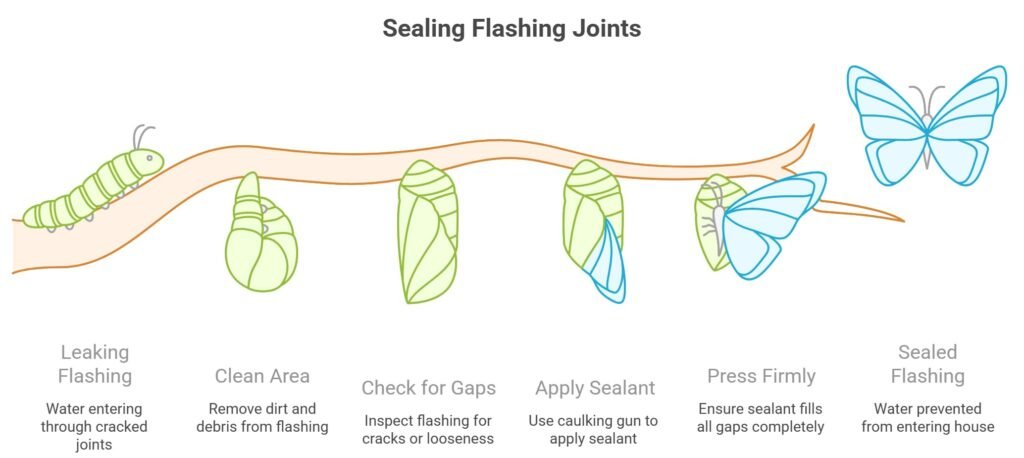
Sealing Flashing Joints
Flashing is metal or plastic that covers roof joints. It stops water from getting inside the house. Over time, flashing joints can crack or loosen. This allows water to enter and cause leaks. Sealing these joints is a simple way to fix leaks without a full roof repair.
Steps to seal flashing joints:
- Clean the area around the flashing with a brush to remove dirt and debris.
- Check for gaps or cracks in the flashing or where it meets the roof.
- Apply roofing sealant or silicone caulk to the joints. Use a caulking gun for better control.
- Press down firmly to ensure the sealant fills all gaps.
- Allow it to dry completely as per the product instructions before rain.
Using the right sealant is important.
Clearing And Repairing Gutters
Gutters collect rainwater and send it away from the house. Blocked or damaged gutters cause water to overflow. This water can damage the roof and walls. Clearing and repairing gutters is a key step to fix leaks and protect your home.
To clear and repair gutters:
- Remove leaves and debris using a garden trowel or gloved hands.
- Flush gutters with water using a hose to check for blockages.
- Inspect gutters for cracks, holes, or loose joints.
- Use gutter sealant to fix small holes and leaks.
- Reattach loose gutters with new brackets or screws if needed.
- Check downspouts to ensure water flows freely away from the house.
Regular gutter maintenance prevents roof leaks and water damage. Cleaning gutters twice a year is a good practice, especially after autumn.
Maintaining Roof Integrity
A leaking roof can cause many problems in homes across the UK. Fixing it without replacing the whole roof saves money and time. Keeping the roof strong and healthy is important. Simple steps help maintain roof integrity. This guide shares easy ways to stop leaks and keep your roof safe.
Regular Roof Cleaning
Cleaning the roof often helps stop leaks early. Leaves, dirt, and moss can block water flow. This leads to water pooling and damage. Clean the roof at least twice a year, especially after heavy storms.
Steps for regular roof cleaning:
- Remove leaves and branches using a soft broom.
- Clear gutters and downspouts to allow water flow.
- Use a moss remover safe for roof tiles.
- Check for broken or loose tiles during cleaning.
Safety is key. Use a sturdy ladder and wear non-slip shoes. Avoid pressure washing as it can damage tiles.
Routine Inspections
Inspecting the roof regularly finds issues before they get worse. Look for cracks, loose tiles, or worn seals. Check after storms or heavy rain. Early detection saves money and stress.
What to check during inspections:
- Missing or broken tiles
- Cracks in roof flashing
- Signs of water stains inside the house
- Blocked or damaged gutters
- Any moss or algae growth
Write down problems and fix small issues quickly. For bigger problems, call a professional roofer. Inspections every six months keep the roof strong.
Preventing Future Leaks
Stopping leaks before they start protects your home. Good roof care and repairs reduce risks. Use weatherproof sealants on joints and around chimneys. Replace old or damaged tiles quickly.
Tips to prevent leaks:
| Action | Benefit |
| Apply weatherproof sealant | Stops water entering weak spots |
| Replace worn tiles | Prevents water from seeping under tiles |
| Clear gutters regularly | Allows water to flow away from roof |
| Trim overhanging tree branches | Reduces debris and moss growth |
Good roof care helps avoid costly repairs. A well-maintained roof lasts longer and keeps your home dry.
When To Call A Professional
A leaking roof can cause many problems in a home. Fixing it without replacing the whole roof saves money and time. Some leaks are easy to fix, but others need careful attention. Knowing when to call a professional helps keep your home safe and dry. This guide explains how to handle leaks and when expert help is needed.
Complex Leak Issues
Some roof leaks are hard to find and fix. These complex leaks might be under roof tiles or hidden in roof valleys. Water can travel far from the leak spot, making it tricky to locate. Professionals use special tools like moisture meters and infrared cameras. These tools find leaks inside walls or ceilings without damage.
Signs of complex leaks include:
- Water stains that change location over time
- Multiple wet spots inside the house
- Leaks during heavy rain but not light rain
- Leaks near chimneys, skylights, or vents
Trying to fix these leaks alone can cause more damage. A professional roofer knows how to handle these issues safely and correctly. They can also check the roof’s structure for hidden problems.
Safety Concerns
Working on a roof is risky without the right skills and equipment. Roofs can be steep, slippery, or fragile. Falls from roofs cause many injuries every year. Safety gear like harnesses and non-slip shoes is important. Professionals have this gear and know how to use it.
Some safety tips to consider:
- Never climb a wet or icy roof
- Use a sturdy ladder and have someone hold it
- Wear gloves and eye protection
- Check the weather forecast before starting work
For high or steep roofs, hiring a professional is safer. They have insurance to cover accidents. This protects both the homeowner and the worker.
Long-term Solutions
Temporary fixes might stop leaks for a short time but don’t solve the problem. Long-term solutions protect the roof and home from future damage. A professional roofer can suggest the best options based on roof type and condition.
Common long-term solutions include:
- Replacing damaged tiles or shingles
- Repairing or replacing flashing around roof edges
- Applying waterproof sealants or coatings
- Improving roof ventilation to reduce moisture build-up
Choosing the right solution depends on roof age and damage level. Regular roof inspections help catch problems early. This reduces the need for costly repairs later.
Reach out to our team for support or inquiries about How to Fix a Leaking Roof Without Replacing It in the UK
Fixing a leaking roof without replacing it saves time and money. Small repairs stop water damage early, and most fixes use simple tools you already have at home.
Check your roof often to catch leaks fast. Acting quickly keeps your home safe and dry.
Need help? Denco Liquid Waterproofing can fix your roof quickly and safely. Contact us today to protect your home.
All You Need to Know
How Can I Temporarily Fix A Leaking Roof In The Uk?
You can use roofing tape or sealant for a quick temporary fix. Cover the leak with a waterproof tarp during heavy rain. These methods help prevent further water damage until professional repairs are done.
What Materials Are Best For Repairing A Leaking Roof?
Roofing cement, sealant, and waterproof tape work well for patch repairs. For tile roofs, replace broken tiles with matching ones. These materials provide durable, weather-resistant solutions suitable for UK climates.
How Do I Find The Source Of A Roof Leak?
Inspect your attic during daylight to spot water stains or damp spots. Check roof joints, flashing, and chimneys for cracks or gaps. This helps pinpoint leaks without removing large sections of the roof.
Can I Fix A Leaking Roof Without Removing Old Shingles?
Yes, you can apply sealant or roofing cement over damaged shingles. Replace only broken or missing shingles to save costs. This method extends your roof’s life without full replacement.