Is your roof causing you constant headaches with leaks? If you live in London, you know how unpredictable the weather can be.
Rain, wind, and dampness can damage your roof. This can lead to expensive repairs and a lot of frustration. You may have heard of liquid waterproofing as a quick fix. But can it really stop roof leaks for good? Knowing how this method works can help you decide if it’s right for your home. This understanding could save you time and money.
Keep reading to find out if liquid waterproofing is the solution you’ve been searching for.
How Liquid Waterproofing Works
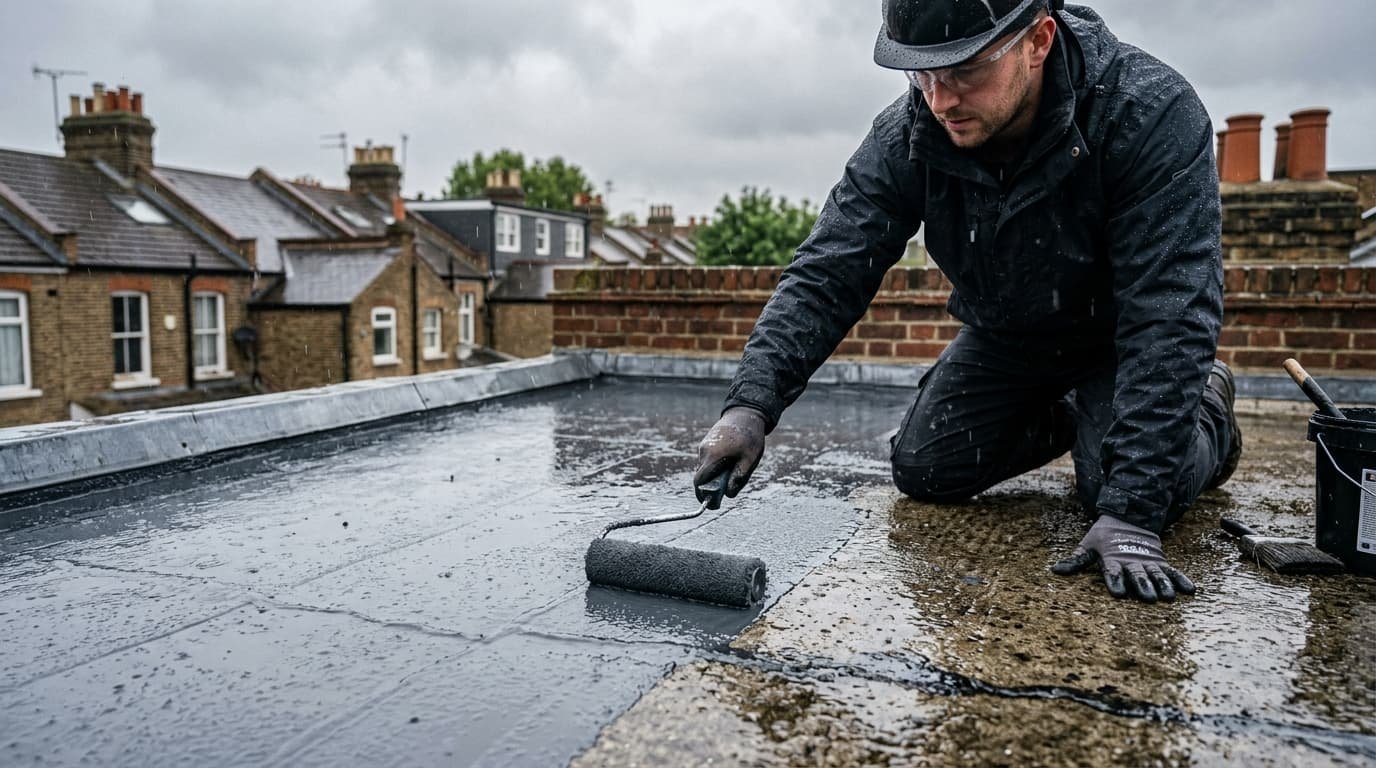
Liquid waterproofing is a great way to guard roofs against leaks in London’s rainy weather. It creates a seamless, flexible barrier over the roof surface. This barrier stops water from seeping into cracks and joints. The liquid form allows it to cover every nook and corner, including hard-to-reach spots. This method adjusts to roof movement and changes in weather. It lowers the risk of future leaks. Knowing how liquid waterproofing works helps you choose the best roof protection. It ensures your roof lasts longer.
Types Of Liquid Waterproofing
There are several types of liquid waterproofing products. Each has unique features and suits different roof materials and conditions. Here are the common types:
- Polyurethane Liquid Membranes: Known for high flexibility and durability. Ideal for flat roofs and areas with frequent movement.
- Bituminous Liquid Membranes: Asphalt-based, good for roofs requiring strong UV resistance and water protection.
- Acrylic Liquid Coatings: Water-based and eco-friendly. Suitable for roofs exposed to sunlight, with good crack-bridging ability.
- Silicone Liquid Coatings: Excellent for waterproofing and UV resistance. Stays flexible in cold and hot weather.
Each type forms a continuous waterproof layer. This stops water from penetrating the roof structure. The choice depends on roof type, weather, and budget.
Application Methods
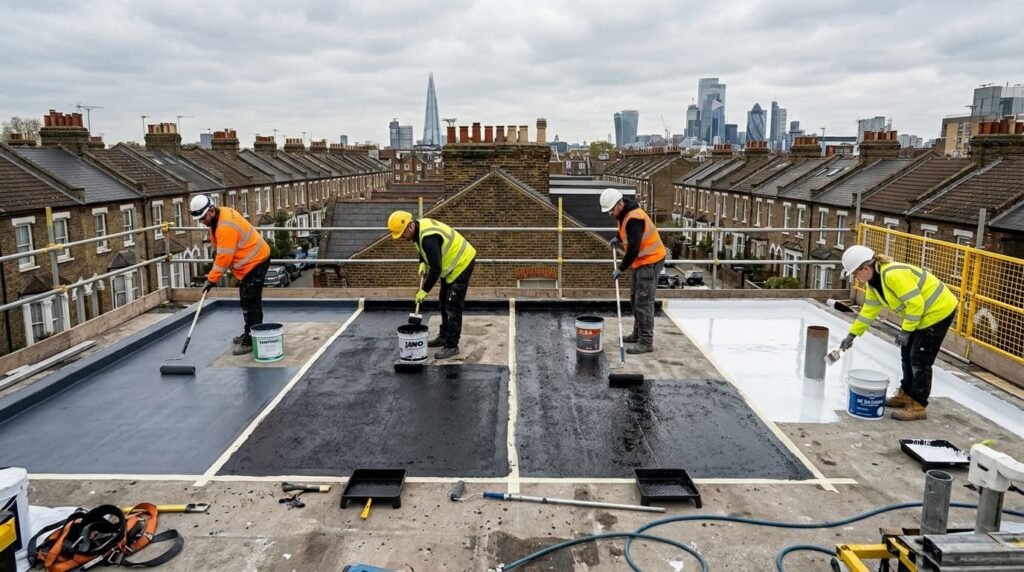
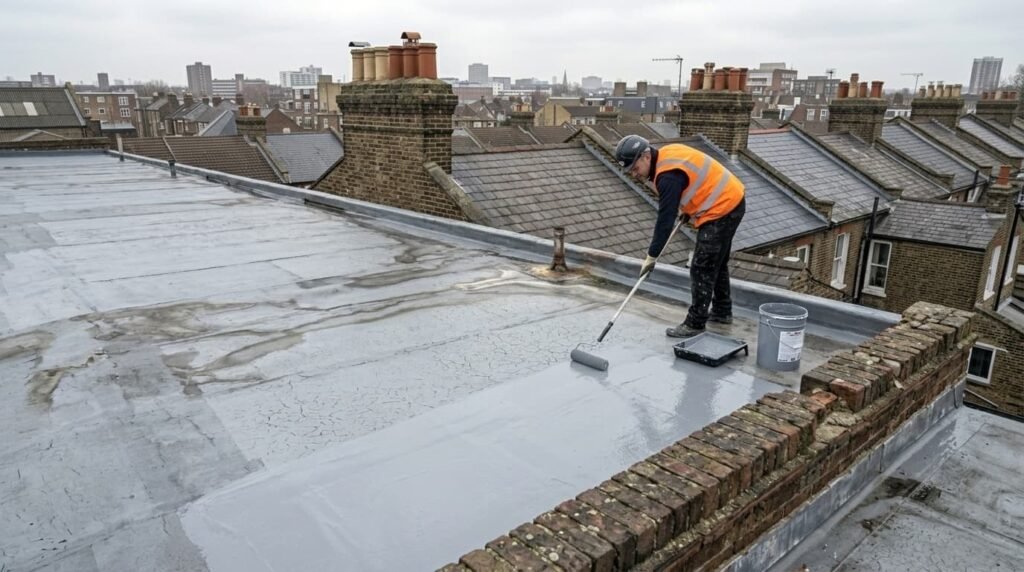
Applying liquid waterproofing requires care and the right technique. Proper application ensures a strong, lasting waterproof layer. There are several common methods:
- Brush or Roller: Best for small areas or touch-ups. Easy to control but slower.
- Spraying: Covers large roofs quickly and evenly. Requires equipment and skill to avoid waste.
- Troweling: Used for thicker coats or patch repairs. Provides a smooth, thick layer.
Preparation is key before application. The roof must be clean, dry, and free from dust or loose debris. Cracks and holes should be repaired first. Multiple coats may be needed for full protection. Each layer must dry fully before applying the next.
Materials Used
Liquid waterproofing relies on special materials that form a protective barrier. These materials must be durable, flexible, and water-resistant. Common materials include:
- Polyurethane: A synthetic resin that cures into a tough, elastic layer.
- Bitumen: A sticky, black substance derived from crude oil. It forms a waterproof film.
- Acrylic Polymers: Water-based chemicals that dry into a flexible, breathable coating.
- Silicone: A rubber-like material that resists weather and UV damage.
These materials often contain additives such as:
- UV stabilizers – protect from sun damage
- Fillers – improve strength and thickness
- Plasticizers – increase flexibility
Choosing the right material depends on the roof type, climate, and expected wear. High-quality materials extend the waterproofing lifespan and reduce roof leaks.
Common Causes Of Roof Leaks In London
London’s climate and building styles present unique challenges for roof maintenance. Roof leaks occur frequently due to several common causes that affect homes across the city. Understanding these causes helps in choosing the right solution, such as liquid waterproofing, to protect roofs effectively and stop leaks permanently. This section breaks down the main reasons roofs leak in London and explains why they matter.
Weather Impact
London’s weather plays a major role in roof leaks. The city experiences heavy rain, strong winds, and seasonal changes that strain roofing materials. Water can seep through tiny cracks or damaged areas, leading to leaks inside the home.
Key weather factors include:
- Heavy Rainfall: Frequent rain saturates roofing materials and increases the chance of water penetration.
- Wind Damage: Strong gusts can lift or loosen roof tiles and shingles.
- Freeze-Thaw Cycles: Water freezes in cracks, expands, and worsens damage.
- Storms: Sudden storms bring debris that can puncture or block gutters and drains.
Here is a simple table showing how different weather elements affect roofs:
| Weather Element | Effect on Roof |
| Rain | Causes water seepage through weak spots |
| Wind | Dislodges tiles and damages flashing |
| Freeze-Thaw | Expands cracks and weakens materials |
| Storms | Deposits debris and blocks drainage |
Regular inspections after bad weather reduce leak risks and help catch issues early.
Roof Age And Wear
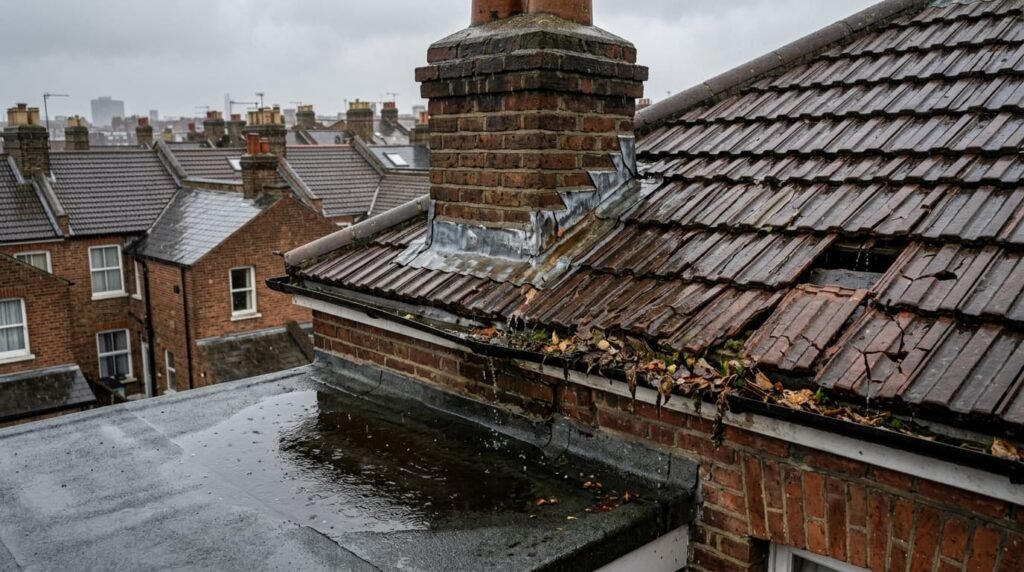
Roofs naturally degrade over time. Age and constant exposure to elements cause materials to weaken and lose effectiveness. Many roofs in London are several decades old and require more care to prevent leaks.
Signs of ageing roofs include:
- Cracked or curling shingles
- Worn-out sealants around vents and chimneys
- Rust on metal components
- Granule loss on asphalt shingles
Older roofs often have more leaks due to these worn parts. Repair costs rise if damage spreads.
Roof lifespan varies by material:
| Material | Typical Lifespan |
| Asphalt Shingles | 15-30 years |
| Clay Tiles | 50+ years |
| Slate | 75-100 years |
| Flat Roof Membranes | 10-20 years |
Routine maintenance extends roof life. Liquid waterproofing can seal small cracks and protect older roofs.
Structural Issues
Structural problems often cause leaks that liquid waterproofing alone cannot fix. Issues with the roof’s framework or design allow water to penetrate despite surface treatments.
Common structural causes include:
- Faulty Flashing: Poorly installed or damaged flashing around chimneys and vents lets water in.
- Roof Deck Damage: Rot or warping of the wooden deck weakens the foundation for roofing materials.
- Poor Roof Design: Flat roofs or bad drainage cause water to pool and increase leak chances.
- Gutter Problems: Blocked or broken gutters overflow and damage roof edges.
Fixing these issues often requires structural repairs before applying waterproofing solutions. This combination offers the best chance at stopping leaks permanently.
Inspecting the roof structure regularly helps catch problems early. Liquid waterproofing works best on sound structures with no hidden damage.
Effectiveness Of Liquid Waterproofing On Roof Leaks
Liquid waterproofing is a flexible and seamless solution. It fixes roof leaks in London’s rainy weather. It creates a protective layer that blocks water penetration, potentially stopping leaks effectively. The effectiveness depends on the product quality, application method, and roof condition. Knowing how liquid waterproofing works helps homeowners. It helps them pick the best method for lasting results.
Short-term Vs Long-term Results
Liquid waterproofing shows clear benefits shortly after application. It fills cracks and seals small gaps instantly, preventing water entry. Many users notice fewer leaks within days. This quick action makes it popular for emergency repairs.
However, long-term results vary. The coating’s durability depends on factors like:
- Roof material and surface preparation
- Weather exposure, especially UV rays and heavy rain
- Quality of the liquid waterproofing product
- Professional application versus DIY methods
Typically, a professionally applied liquid waterproofing layer lasts 5 to 10 years. After this, cracks or wear may appear. Reapplication or maintenance is often needed to keep the roof leak-free.
Summary: Liquid waterproofing stops leaks quickly but needs upkeep for lasting protection.
Case Studies In London
Several London homeowners and businesses have tested liquid waterproofing on different roof types. These case studies reveal varied outcomes depending on roof age and local weather conditions.
- Residential flat roofs: A London flat roof with minor cracks was treated with a polyurethane liquid membrane. The owner reported no leaks for over 6 years.
- Commercial buildings: A warehouse roof used acrylic-based liquid waterproofing. Initial success was noted, but after 4 years, wear from pollution and sun caused some leaks.
- Older properties: In a heritage building, liquid waterproofing sealed a slate roof. Short-term results were positive, but long-term effectiveness was limited due to roof movement.
These examples show liquid waterproofing works best on well-maintained, structurally sound roofs. It may not be enough alone for very old or damaged roofs.
| Project Type | Product Used | Duration Leak-Free | Notes |
| Residential Flat Roof | Polyurethane Membrane | 6+ years | Good surface prep, regular checks |
| Commercial Warehouse | Acrylic Coating | 4 years | Pollution and sun reduced lifespan |
| Heritage Slate Roof | Silicone-Based Liquid | 2-3 years | Roof movement caused cracks |
Limitations And Challenges
Liquid waterproofing is not perfect for every roof or leak situation. Some limitations include:
- Surface preparation: Dirty or damaged roofs reduce adhesion and effectiveness.
- Structural issues: Movement, cracks, or poor roof design can cause the coating to fail.
- Weather conditions: Heavy rain during application or extreme cold can affect curing time.
- UV damage: Prolonged sun exposure may degrade the coating faster.
- Limited thickness: Liquid coatings have a maximum thickness, which may not fill large gaps.
These challenges mean liquid waterproofing often works best as part of a full roof maintenance plan. Regular inspections and repairs help maintain its benefits.
Factors Influencing Waterproofing Longevity
Liquid waterproofing offers a flexible and seamless way to protect roofs from leaks. In London, where weather can be wet and unpredictable, the effectiveness of liquid waterproofing depends on several key factors. Factors Influencing Waterproofing Longevity determine how well this method can stop roof leaks permanently. Understanding these factors helps homeowners and contractors choose the right materials and methods for lasting protection.
Surface Preparation
Proper surface preparation is essential for liquid waterproofing to last. The roof surface must be clean, dry, and free of debris before applying the waterproofing layer. Dirt, dust, oil, or loose materials can prevent the coating from sticking properly. This leads to early peeling or cracking, allowing water to seep through.
Steps for effective surface preparation:
- Cleaning: Remove all dirt, moss, and loose particles.
- Drying: Ensure the roof surface is completely dry.
- Repairing: Fix cracks, holes, and damaged areas.
- Priming: Apply a primer if required by the product instructions.
The table below shows common surface types and preparation needs:
| Surface Type | Preparation Needed | Notes |
| Concrete | Clean, repair cracks, apply primer | Porous surface requires sealing |
| Metal | Remove rust, clean, apply primer | Rust reduces adhesion |
| Bitumen | Clean, dry, slight sanding | Avoid solvents that damage bitumen |
Skipping or rushing surface preparation often causes waterproofing failure. Professionals take time to prepare the roof fully. This step increases the coating’s lifespan and stops leaks for longer.
Environmental Conditions
The environment in London plays a big role in how long liquid waterproofing lasts. Frequent rain, cold winters, and temperature changes stress the waterproofing layer. This can cause expansion, contraction, and material breakdown over time.
Important environmental factors include:
- Rainfall: Constant moisture challenges waterproof coatings.
- Temperature swings: Heat and cold cause materials to expand and contract.
- UV exposure: Sunlight can degrade some liquid membranes.
- Pollution: Urban pollution can affect coating durability.
Choosing the right waterproofing product for London’s environment improves durability. Products with UV resistance and elasticity perform better. Professionals also consider local weather during application for best results.
Maintenance Practices
Even the best liquid waterproofing needs regular maintenance to keep working well. Neglecting maintenance can cause small cracks or damage to grow, leading to leaks. Scheduled inspections and care extend the waterproofing lifespan significantly.
Key maintenance tasks include:
- Regular inspections: Check for cracks, blisters, or wear every 6-12 months.
- Cleaning: Remove dirt, leaves, and debris from the roof surface.
- Repair: Fix minor damage quickly using compatible repair materials.
- Re-coating: Apply a new waterproofing layer as recommended by the manufacturer.
Maintenance frequency depends on roof type, exposure, and product used.
Comparing Liquid Waterproofing With Other Solutions
Liquid waterproofing has gained attention for its ability to stop roof leaks in London. It forms a seamless, flexible layer that blocks water from entering. Comparing liquid waterproofing with other common solutions helps understand its benefits and limits. Each method has unique features, costs, and durability. This section explores traditional roofing membranes, roof replacement, and patch repairs to see how liquid waterproofing measures up.
Traditional Roofing Membranes
Traditional roofing membranes are sheets made from materials like bitumen, EPDM, or PVC. They are applied over the roof surface to create a barrier against water. These membranes are widely used and have proven reliability.
- Installation: Membranes require skilled labour and can take several days to install.
- Durability: Typically last 15-30 years depending on material and weather exposure.
- Maintenance: May need inspections and occasional repairs to prevent leaks.
Compared to liquid waterproofing, membranes are less flexible. Liquid coatings adapt better to roof movements and cracks. Membranes can peel or tear under stress, allowing water in. Liquid waterproofing creates a continuous layer without joints, reducing weak points.
Roof Replacement
Roof replacement means removing the old roof and installing a new one. This is the most thorough solution for severe leaks or damage. It guarantees a fresh start but comes with high costs and disruption.
The process involves:
- Removing old roofing layers.
- Repairing or replacing the roof deck if damaged.
- Installing new roofing material such as tiles, shingles, or membranes.
Replacing a roof can last 20-50 years depending on materials. It eliminates leaks by fixing structural issues. However, it is expensive and takes time. Liquid waterproofing offers a less invasive option. It can extend a roof’s life and fix leaks without full replacement.
Patch Repairs
Patch repairs fix small leaks by sealing cracks or holes with materials like roofing cement or sealant. This method is quick and low cost. It is useful for minor damage but not a permanent fix for bigger problems.
Patch repairs are best for:
- Small holes or punctures
- Localized leaks near flashing or vents
- Temporary fixes before larger work
Liquid waterproofing differs by covering the entire roof surface. It fills cracks and forms a continuous waterproof layer. Patches can fail due to weather or roof movement. Liquid coatings offer better protection but may require cleaning and prep before application.
Cost Considerations For London Homeowners
Liquid waterproofing is a popular choice for homeowners in London. It helps stop roof leaks for good. It offers a flexible and seamless barrier that protects roofs from water damage. Understanding the cost considerations is essential before choosing this solution. Costs vary based on roof size, condition, and the product quality. London homeowners must weigh initial expenses against long-term benefits to make informed decisions.
Initial Investment
The initial investment for liquid waterproofing depends on several factors. These include the type of waterproofing product, roof size, and any necessary repairs before application. Generally, liquid waterproofing costs more upfront than traditional methods like felt or tile replacement.
- Product quality: Higher-quality waterproofing liquids cost more but last longer.
- Roof condition: Damaged roofs need repairs before waterproofing, increasing costs.
- Labour charges: Skilled professionals charge more but ensure correct application.
Here’s a simple cost comparison table for an average London roof (around 50 square meters):
| Cost Element | Range (GBP) |
| Liquid Waterproofing Material | £500 – £1,200 |
| Roof Repairs (if needed) | £300 – £800 |
| Labour & Application | £700 – £1,500 |
Though the upfront cost might seem high, the quality of materials and professional application reduce risks of leaks returning.
Long-term Savings
Liquid waterproofing offers long-term savings that appeal to many London homeowners. While the initial price is higher, it reduces future maintenance and repair expenses.
- Durability: Waterproof coatings can last 10-20 years with proper care.
- Reduced repairs: Fewer leaks mean fewer costly fixes.
- Energy efficiency: Some liquid membranes improve insulation, lowering energy bills.
Consider the following example of potential savings over 10 years:
| Expense | Traditional Roof (£) | Liquid Waterproofing Roof (£) |
| Initial Installation | £1,000 | £2,500 |
| Repair & Maintenance | £3,000 | £500 |
| Energy Savings | £0 | £400 |
| Total Cost | £4,000 | £2,600 |
This shows liquid waterproofing can save over £1,000 in a decade. The key is fewer repairs and better roof protection.
Warranty And Guarantees
Warranty and guarantees are vital in choosing liquid waterproofing. They protect homeowners from poor workmanship or product failure. Most reputable companies in London offer warranties ranging from 5 to 20 years.
- Material warranty: Covers defects in the waterproofing product itself.
- Workmanship guarantee: Ensures the installation meets quality standards.
- Coverage details: Check what damages or leaks are included.
Important points to verify in warranties:
- Length of coverage period.
- What damages or leaks are covered?
- Conditions that may void the warranty.
- Process for making claims.
Choosing contractors with strong warranties can bring peace of mind. It reduces the risk of unexpected costs if leaks reappear. Always request warranty documents before starting any work.
Reach out to our team for support or inquiries about Can Liquid Waterproofing Stop Roof Leaks Permanently in London?
Liquid waterproofing can help reduce roof leaks in London. It creates a strong, flexible layer that keeps water out. However, it may not fix every problem by itself. Cleaning the roof and repairing small damage is also important. Regular checks help keep your roof in good condition.
At Denco Liquid Waterproofing, we help homeowners protect their roofs with reliable liquid waterproofing solutions. Using quality products and expert care can extend the life of your roof and keep your home dry.
If you notice roof leaks, contact Denco Liquid Waterproofing for friendly advice and professional help. A dry roof means a safer, more comfortable home.
All You Need to Know
Can Liquid Waterproofing Prevent All Roof Leaks In London?
Liquid waterproofing can effectively seal most roof leaks in London. However, proper application and roof condition affect its long-term success. Regular inspections ensure durability and timely repairs for best results.
How Long Does Liquid Waterproofing Last On Roofs?
Liquid waterproofing typically lasts 5 to 10 years, depending on weather exposure and maintenance. Proper surface preparation and quality products extend its lifespan significantly.
Is Liquid Waterproofing Suitable For All Roof Types?
Liquid waterproofing works well on flat, metal, and concrete roofs. It may not be ideal for heavily damaged or pitched roofs needing structural repair first.
How Often Should Liquid Waterproofing Be Reapplied?
Reapplication is generally recommended every 5 to 7 years. Regular roof inspections help determine the right timing to maintain leak protection.