
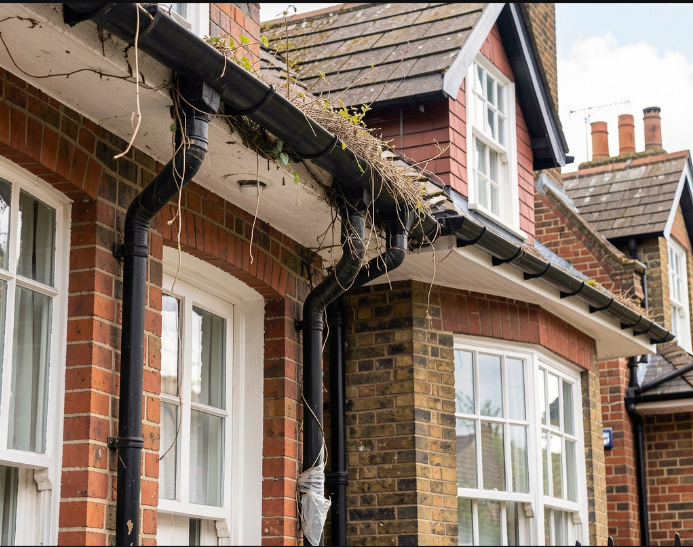
London is a city where the weather keeps everyone on their toes. The rain, the wind, and even the occasional snowfall all play a big role in daily life. As a gutter cleaner in Greater London, I’ve noticed how these conditions affect homes and businesses. This is especially true when gutters are neglected.
If you think leaving your gutters alone is harmless, you might want to reconsider. Ignoring gutter cleaning can cause much bigger problems than most people realise. In this article, I’ll explain what happens if you don’t clean gutters in London. I’ll also discuss why it’s a bigger problem here than in other areas and what you can do to protect your property.
Why Gutters Matter In London
Gutters are not just a finishing touch to your roof. They are a vital part of your home’s drainage system. When gutters work properly, they help keep rainwater away. This protects your walls, windows, and foundations. In London, it rains often. Heavy downpours are common. This is essential.
Blocked gutters mean water can’t flow freely. Instead, it spills over the sides or backs up onto the roof. This simple blockage can lead to expensive damage and even health risks, especially in older London homes with traditional brickwork and timber frames.
What Causes Gutters To Get Blocked In London?
Many people think leaves are the only problem, but in London, gutters collect more than just autumn debris. Here’s what typically ends up in London gutters:
- Leaves and twigs from street trees, especially in leafy boroughs like Islington or Camden.
- Moss and roof debris—London’s older slate and tile roofs shed a lot over time.
- Bird nests and droppings—pigeons and seagulls are common roof visitors.
- Urban pollution—dust and dirt from traffic settle on roofs, then wash into gutters.
- Plastic and litter—wind can blow wrappers and bags into open gutters, especially near busy roads.
Wet London weather makes these blockages worse. Gutters fill up faster, and damp conditions help moss and weeds grow inside, creating stubborn clogs.
What Happens If You Don’t Clean Gutters In London?
You might think a blocked gutter is just a small annoyance, but the consequences build up quickly. Here are the most common and serious problems I see across London properties:
1. Water Damage To Walls And Ceilings
When gutters overflow, water runs down the outside of your house. In London, many homes have solid brick walls with no cavity, so water soaks straight in. Over time, this leads to:
- Damp patches on interior walls
- Peeling paint or wallpaper
- Plaster crumbling or staining
In flats and terraces, the problem often spreads to neighbouring properties, causing disputes and even legal issues.
2. Foundation Problems
Consistent overflow means water pools around your property’s base. London’s clay soils expand and contract with moisture, so too much water can make ground shift. This causes:
- Cracks in foundations and walls
- Uneven floors
- Doors and windows sticking
These repairs are costly and can even lower your home’s value.
3. Roof Leaks And Rot
When gutters back up, water sits on the roof edge. Over time, this can rot the roof timbers and decking. I’ve seen this especially in Victorian and Edwardian homes, which have timber fascias and soffits. Signs include:
- Sagging roof edges
- Water spots on ceilings
- Timber that feels soft or crumbles when touched
This damage is much more expensive to fix than simple gutter cleaning.
4. Damp And Mould Growth
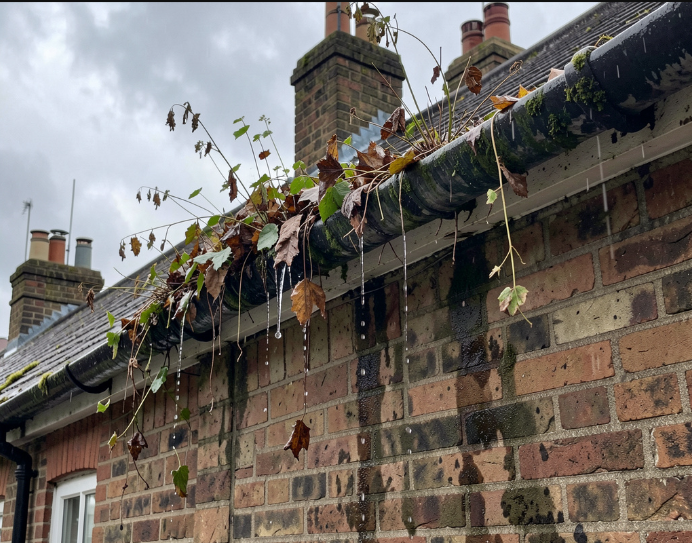
Wet walls and ceilings create perfect conditions for mould. In London, where many homes already struggle with damp, blocked gutters make it worse. Mould is not just ugly—it can cause:
- Breathing problems, especially for children and the elderly
- Musty odours that are hard to remove
- Damage to clothes, furniture, and curtains
5. Pest Infestations
Stagnant water and wet debris in gutters attract rats, mice, birds, and insects. I’ve pulled out nests, wasp colonies, and even the odd squirrel from London gutters! These pests can:
- Chew through roof timbers and insulation
- Block downpipes even further
- Find their way inside your loft or walls
6. Ice Dams And Winter Damage
During cold snaps, blocked gutters hold water that freezes overnight. This creates ice dams, which can:
- Break gutters away from the wall
- Let water seep under roof tiles
- Cause sudden leaks when the ice melts
London doesn’t get heavy snow often, but icy mornings are common enough to make this a real risk.
7. Damage To Fascias, Soffits, And Render
Overflowing water runs down wooden or painted surfaces, making them rot or peel. In London’s period properties, original woodwork is valuable—repairing or replacing it can cost thousands. Rendered surfaces also crack or bubble when soaked repeatedly.
8. Driveway And Pathway Erosion
Water pouring from gutters onto driveways or paths erodes concrete, tarmac, or paving slabs. Over time, you’ll notice:
- Sinking or uneven surfaces
- Algae and moss making paths slippery
- Weeds growing in cracks
This is not just unsightly—it can be a real trip hazard, especially for children or elderly family members.
9. Gutter Breakage And Collapse
Blocked gutters get heavy, especially after rain. I’ve seen gutters pull away from walls, bend, or even snap completely. This exposes your home to even more water damage and leads to emergency repair bills.
10. Reduced Property Value
All these issues—damp, structural problems, damaged exteriors—lower the value of your home. In London’s competitive property market, surveyors spot these problems quickly, and buyers often pull out or demand big reductions.
Real Data: How Often Should You Clean Gutters In London?
Professional advice is clear: clean gutters at least twice a year. But in leafy London areas or near busy roads, three or four times may be needed. Here’s a quick look at how the frequency changes based on your location and local environment:
| Area Type | Recommended Cleaning Frequency | Main Causes of Blockage |
| Leafy suburbs (e.g., Hampstead, Richmond) | 3-4 times/year | Leaves, twigs, moss |
| Central London (e.g., Westminster, Soho) | 2-3 times/year | Urban dust, pollution, litter |
| Industrial/Busy roads (e.g., Barking, Croydon) | 2-3 times/year | Debris, plastic, bird nests |
| New builds (less trees) | 2 times/year | General dust, occasional moss |
Don’t just go by the calendar—if you see water spilling over during rain, it’s time for a check.
Hidden Costs: How Much Can Neglecting Gutters Really Cost In London?
Many homeowners skip regular cleaning to save money, but the reality is this can cost much more in the long run. Here are some typical costs I’ve seen in London:
| Problem Caused by Blocked Gutters | Average Repair Cost (London, 2026) |
| Internal damp treatment | £800 – £2,500 |
| Plastering and redecorating | £500 – £1,800 |
| Replacing rotted fascia/soffit boards | £900 – £3,000 |
| Foundation repairs | £3,000 – £15,000 |
| Gutter replacement (semi-detached) | £600 – £1,200 |
| Mould removal | £350 – £1,200 |
Compare these with the typical cost of a professional gutter clean in London: £70–£150 for most homes. The savings are clear.
Non-obvious Risks Most Londoners Miss
Even after years in the business, I still see homeowners surprised by two key issues:
- Insurance claims can be rejected – Many home insurance policies in the UK don’t cover water damage caused by poor maintenance. If you haven’t cleaned your gutters, insurers may refuse to pay for damp or structural issues.
- Impact on neighbours – In terraced or semi-detached homes, overflowing gutters don’t stop at your boundary. Water can seep into adjoining walls, causing neighbour disputes or even legal claims. This is especially common in London, where properties are close together.
The Gutter Cleaning Process: What Really Happens
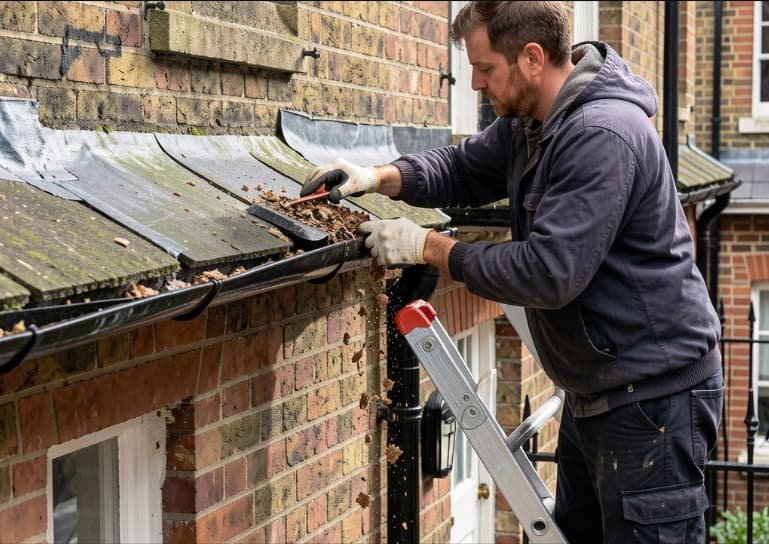
If you’ve never watched a professional clean gutters, you might not realise how much is involved. Here’s how I approach gutter cleaning in London:
- Safety first – I use ladders, roof harnesses, or sometimes gutter vacuum systems, depending on the building height and access.
- Initial inspection – Check for loose brackets, holes, or sagging sections.
- Remove debris – Scoop out leaves, moss, and litter by hand or vacuum.
- Flush gutters and downpipes – Use water to check for hidden clogs.
- Check for leaks – Look for cracks or joints that let water escape.
- Final report – Let the homeowner know if repairs are needed.
For tall properties or blocks of flats, I often use camera systems to show clients before and after photos—proof that the job’s done right.
How London’s Climate Makes Blocked Gutters Worse
London is famous for its rain, but the city’s climate brings extra challenges for gutter maintenance:
- Frequent drizzle and light rain mean that even small blockages overflow quickly.
- Sudden heavy downpours (increasing with climate change) fill gutters in minutes.
- Mild winters keep moss and weeds growing almost all year.
- Pollution in the air settles on roofs, mixing with rain to form sticky sludge in gutters.
These factors mean London gutters fill up faster and stay damp longer, making blockages harder to clear and damage more likely.
Signs Your Gutters Need Cleaning
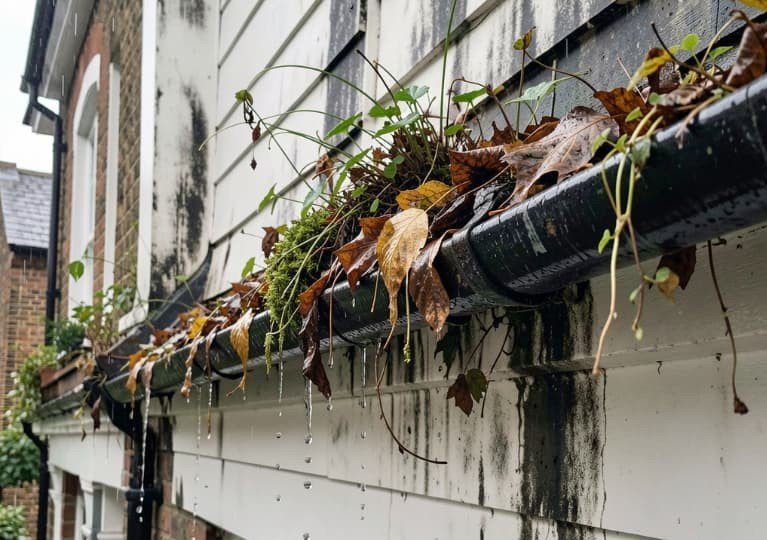
Many people wait until water pours over the edge to act. But there are earlier signs you can spot:
- Plants or weeds growing from the gutters
- Birds or insects gathering near the roof edge
- Stains or green streaks on exterior walls
- Sagging or uneven gutters
- Dripping sounds even when rain is light
Don’t ignore these clues. Acting early saves money and hassle.
Diy Vs Professional Gutter Cleaning: What’s Best In London?
It’s tempting to try gutter cleaning yourself, especially if you’re handy. But here’s a quick comparison of the main points:
| DIY Cleaning | Professional Cleaning |
| Lower cost if you have equipment | Done safely with correct tools |
| Risk of falls (common accident at home) | Includes inspection for damage |
| May miss hidden blockages | Downpipes and joints checked properly |
| No report or before/after evidence | Proof for landlords or insurance |
For bungalows or small houses, DIY is possible if you’re confident and careful. For taller or older London homes, professional cleaning is safer and more thorough.
How To Prevent Gutter Blockages
You can’t avoid every problem, but these steps make a big difference:
- Trim trees overhanging your roof.
- Install gutter guards to block large debris (though they still need checking).
- Check after storms or windy weather for sudden blockages.
- Schedule regular cleans—don’t wait for a problem.
- Ask neighbours to maintain their gutters if you share walls or downpipes.
Many Londoners also set reminders on their phones or calendars. A little planning saves a lot of trouble.
Gutter Cleaning And London’s Legal Requirements
While there’s no law saying you must clean your gutters, some London boroughs have property maintenance standards for landlords and managing agents. If you let out a property, you could be fined or face legal action if blocked gutters lead to damp or unsafe conditions for tenants.
Leasehold agreements in flats often require regular cleaning too.
Choosing The Right Gutter Cleaner In London
Not all gutter cleaners are equal. When choosing a service, look for:
- Insurance and safety certificates
- Experience with your type of property
- Clear pricing with no hidden extras
- Before and after photos
- Positive local reviews
A good cleaner will also spot minor repairs before they become big problems.
The Environmental Impact Of Blocked Gutters
Most people don’t realise blocked gutters can harm the environment. Overflowing water often carries dirt, chemicals, and litter from the roof straight into London’s drains and rivers. Keeping gutters clear helps protect local waterways and reduces urban flooding—a growing issue in our city.
Why Regular Gutter Cleaning Is Essential For London Homes
After years of climbing ladders and seeing the damage up close, my advice is simple: don’t risk it. Clean gutters are a small job that protects your biggest investment—your home. In a city like London, with its mix of old and new homes, changing weather, and busy streets, regular gutter cleaning is essential, not optional.
If you’re not sure when your gutters were last checked, or you have noticed any warning signs, it’s a good idea to get them cleaned soon. If you need help, the team at Denco Liquid Waterproofing is always ready to help. Just contact us and we’ll be happy to take care of it for you.
It’s one of the simplest ways to keep your home safe, dry, and looking its best.
All You Need to Know
How Often Should I Clean My Gutters In London?
Most London homes need gutter cleaning at least twice a year—once in late autumn, once in spring. If you live near lots of trees or busy roads, consider 3–4 times yearly. Watch for signs like overflowing water or plants growing from the gutter.
Can Blocked Gutters Really Cause Damp Inside My House?
Yes. Overflowing gutters let water run down your walls, which can soak through, especially in London’s older brick homes. This leads to damp patches, mould, and damage to plaster and paint.
Is It Safe To Clean Gutters Myself?
It’s possible for ground-floor properties if you have the right ladders and are confident with heights. For taller homes or blocks of flats, professional cleaners use safe equipment and check for hidden problems—worth the extra cost for most people.
What’s The Best Time Of Year For Gutter Cleaning In London?
The best times are late autumn (after leaves fall) and early spring (before heavy spring rain). After big storms or windy periods, check your gutters for sudden blockages.
Do Gutter Guards Stop All Blockages?
Gutter guards help keep out large debris like leaves and twigs, but small dirt, moss, and seeds can still get through. You’ll still need to check and clean the gutters, though less often.
If you look after your gutters, they’ll look after your home. That’s something every Londoner can appreciate.